Different Populations
Creatine for Beginners: A Practical Evidence-Based Guide
A beginner can use one of the best-studied supplements in sport, but the most important choices are simple: plain monohydrate, daily use, and realistic goals.
Understand Creatine. Follow the Evidence.
Category collection
Independent science education editors. No collective medical or academic credentials are claimed.
103 published records in this collection.
Different Populations
A beginner can use one of the best-studied supplements in sport, but the most important choices are simple: plain monohydrate, daily use, and realistic goals.
Dosage & Timing
Creatine can be taken at any consistent time. Compare pre-workout, post-workout, and meal-based timing using the evidence rather than marketing claims.
Brain & Cognition
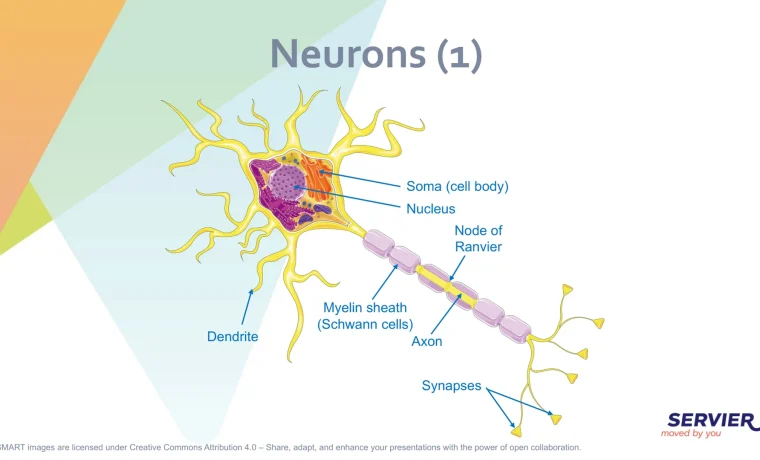
The mental-fatigue evidence is sparse. A few controlled studies suggest possible resilience under stress, but creatine is not an established fatigue treatment.
Safety & Kidney Health
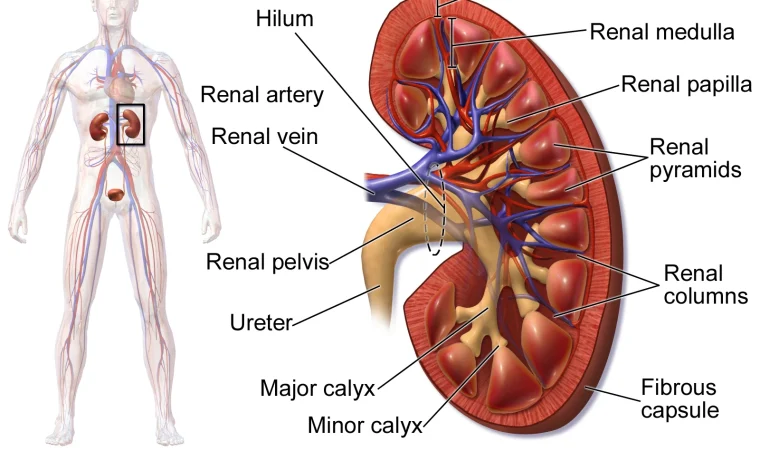
A short safety review can separate routine creatine use from situations that warrant professional advice, before problems arise.
Different Populations
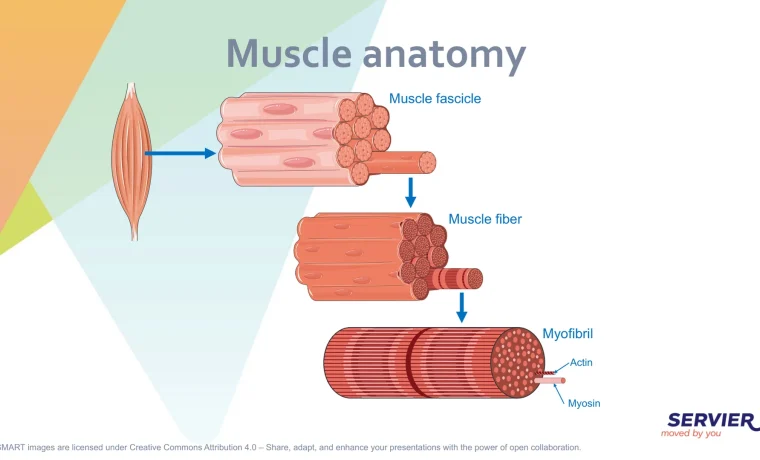
Creatine can support strength and lean tissue in older adults who train, but safe use depends on health status, medications, and an individualized plan.
Creatine Fundamentals
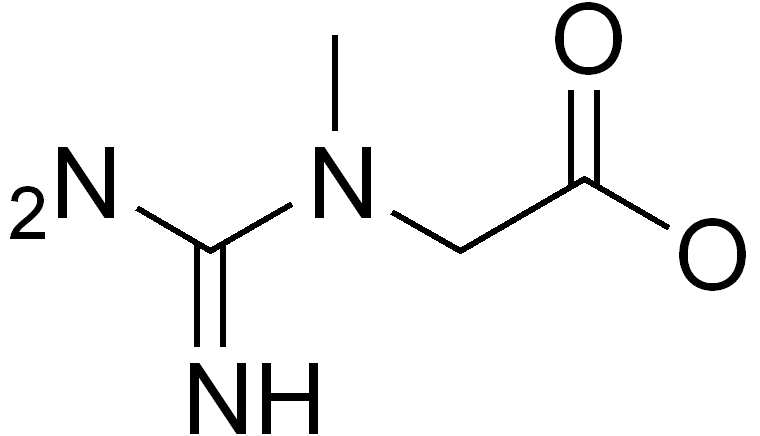
Creatine comes from both natural body synthesis and animal foods. Learn how these sources differ and why vegetarian and vegan diets often contain little creatine.
Creatine Performance
Creatine has been studied in metabolic contexts, but evidence for improved glucose control, fat loss, or brown-fat activation is not convincing.
Safety & Kidney Health
Most healthy adults tolerate creatine well, but early water-weight changes and occasional digestive discomfort are reported and worth understanding before starting.
Different Populations
Vegetarians eat little dietary creatine, so supplementation is a logical option, but individual response varies and no one is guaranteed to outperform omnivores.
Safety & Kidney Health
Creatine can change serum creatinine without reducing kidney filtration. The key is distinguishing a conversion signal from true kidney injury using context and other tests.