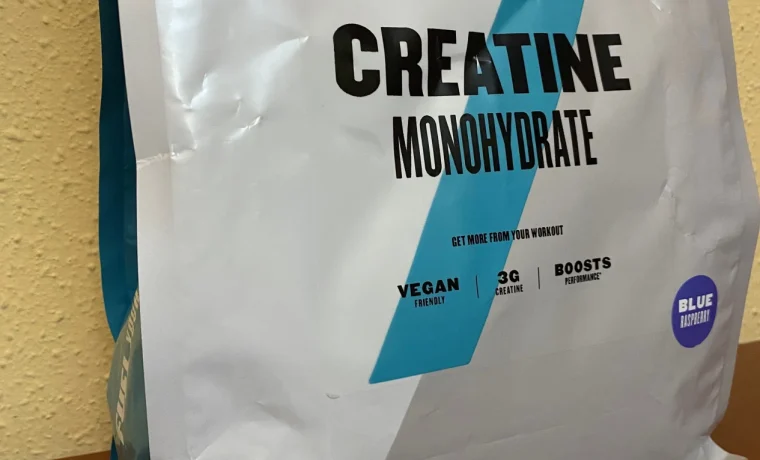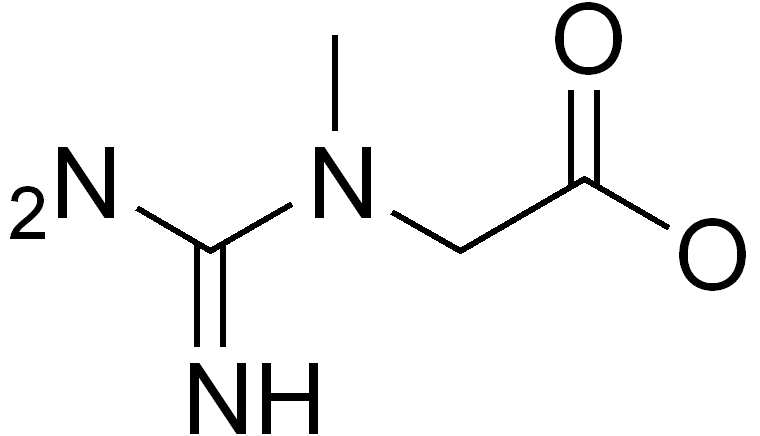
Creatine and pre-workout are not two names for the same product. Creatine is one well-studied active ingredient with a specific role in muscle energy. Pre-workout is a category, and its contents can range from a single ingredient to a blend containing caffeine, nitric oxide precursors, beta-alanine, stimulants, and proprietary amounts that are difficult to interpret.
That makes direct comparison essential. A pre-workout that contains adequate creatine monohydrate may duplicate a separate creatine product, while a stimulant-heavy blend creates different risks. The better choice depends on the desired effect, tolerance, label transparency, and health history—not simply on the number of ingredients.
Creatine has one focused role; pre-workout can have many
Creatine monohydrate increases muscle creatine availability, supporting ATP regeneration during intense work. The benefit is most likely to appear in repeated high-intensity training and strength, and it develops with regular intake rather than from a single immediate dose. It is not an appetite suppressant, fat burner, or central nervous system stimulant.
Pre-workout products often emphasize energy, focus, and the perception of a stronger workout. Caffeine is a common ingredient and can improve alertness and perceived effort, but it can also affect sleep, heart rate, anxiety, and blood pressure. Other ingredients may have their own evidence, yet a blend does not allow a person to know how much of each is present or whether the combination has been studied as sold.
Compare the decision factors
The table below assumes a typical pre-workout contains caffeine and other ingredients, because formulas vary widely. Someone sensitive to stimulants may prefer plain creatine or a non-stimulant product. Someone already uses caffeine strategically may not need more. A separate creatine product is often the simplest way to guarantee a known dose and avoid duplicating ingredients.
Timing also differs. Caffeine is acute and its effects depend on the dose and individual clearance, often beginning within an hour. Creatine is a daily intake strategy, and the specific clock time is secondary to consistency. Taking creatine with caffeine is not required, and there is no strong reason to believe the combination is uniquely effective. Any pre-workout should be introduced one ingredient at a time so that tolerance and unwanted effects can be identified.
| Factor | Creatine | Typical pre-workout |
|---|---|---|
| Primary purpose | Increase muscle creatine and support repeated effort | Increase alertness, energy, and workout focus; formula varies |
| Timing | Any consistent daily time | Often 30–60 minutes before exercise; depends on ingredients |
| Key concern | Water gain and serum creatinine change | Caffeine and stimulant effects; undisclosed blend amounts |
| Simplest choice | Single-ingredient creatine monohydrate | Short, transparent ingredient list with a stated dose |
Safety depends on the full formula
A product containing only creatine has a different risk profile from a product with caffeine and several botanicals. Read every ingredient and the directions for use, including warnings and serving size. Third-party certification can reduce specified contamination risks, but it does not prove that every ingredient is appropriate for every person or that a proprietary blend is effective.
Extra caution is appropriate for people with heart or blood-pressure concerns, anxiety, sleep problems, pregnancy, or medications that may interact with stimulants. Kidney disease or unusual kidney blood markers warrant medical advice before creatine use as well. Evidence-based creatine regimens can support training without the stimulant risks of a multi-ingredient pre-workout, making separate, transparent choices often easier to evaluate.
Frequently asked questions
Should I use creatine or a pre-workout first?
Many people start with single-ingredient creatine because its role and dose are straightforward. Add a pre-workout only for a specific, understood effect and after considering its stimulants and label.
Does a pre-workout work better without caffeine?
Not necessarily. Caffeine is the best-established reason many pre-workouts feel different, so removing it may reduce the acute perceived effect even while improving tolerance for some people.
Can a pre-workout contain enough creatine to replace a separate product?
Sometimes, but only if the label shows an adequate creatine monohydrate amount. A proprietary blend may not reveal whether that amount was met.
Limitations
- Pre-workout formulas vary greatly, so findings about one product cannot be generalized to the category.
- The comparison does not assess every ingredient or every combination at every dose.
- Individual stimulant sensitivity, medication use, pregnancy, and medical conditions can change safety judgments.
References
Common questions and misconceptions about creatine supplementation: what does the scientific evidence really show? — source record
International Society of Sports Nutrition position stand: safety and efficacy of creatine supplementation in exercise, sport, and medicine. — source record
Nutritional and Non-Nutritional Strategies in Bodybuilding: Impact on Kidney Function — source record
Last updated: 2026-11-24