Creatine is simple to use, but a short checklist can prevent avoidable mistakes: choosing an unsupported specialty form, taking an inconsistent dose, chasing an immediate effect, or ignoring medical context. The checklist below turns the research into practical decisions without pretending that a supplement plan is medical advice.
Use it as a starting framework, then adapt the routine to your training, nutrition, preferences, and health history. The goal is not to maximize every possible variable. It is to select a credible product, use it consistently, and evaluate the result against a clear goal.
Before you buy: define the product and the goal
First, state the goal in a measurable way: more strength in a main lift, more repetitions across several sets, better repeated sprint performance, or simply a convenient supplement for resistance training. Creatine is best aligned with repeated high-intensity effort and strength. It is not intended to replace fat loss, a stimulant-driven pre-workout, or a nutrition plan.
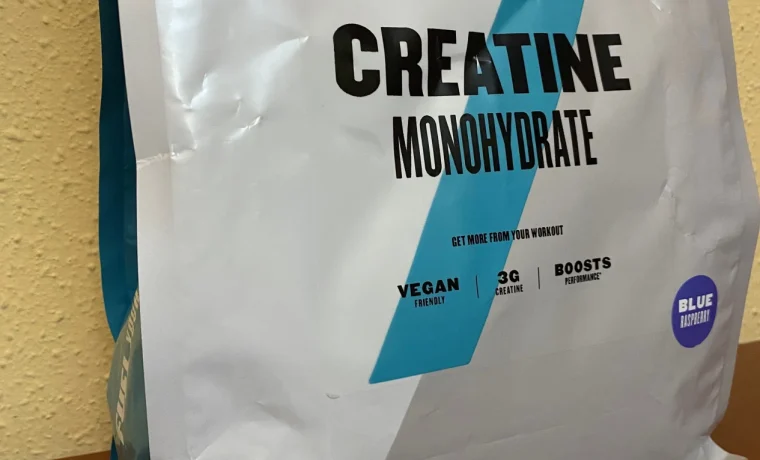
Then choose the product. Creatine monohydrate is the best-supported default because it has the most research, the lowest typical cost, and a straightforward dose. Look for a transparent ingredient list, an accurate amount per serving, batch-level third-party testing where available, and no need to take an excessive number of capsules. Specialty forms may suit personal solubility preferences, but they have not demonstrated consistent superiority.
During use: dose, timing, and tracking
The standard maintenance amount is 3 to 5 grams of creatine monohydrate per day. It can be taken at any convenient time each day; consistency matters more than a special workout window. An optional loading phase, commonly 20 grams daily for five to seven days split into smaller servings, can raise muscle stores sooner but is not required. Larger initial amounts are not necessary for long-term results.
Track a small number of useful outcomes: the loads and repetitions used for key exercises, average weekly performance, body weight, and side effects. Expect a small early water-weight change. Avoid judging the product from one unusually good or poor workout. If strength and training volume are not moving after several weeks of consistent use, review technique, program design, sleep, energy intake, and protein before adding more products.
| Check | Practical standard | Avoid |
|---|---|---|
| Form | Creatine monohydrate | Paying extra for unproven superiority |
| Dose | 3–5 g daily | Escalating without a reason |
| Timing | A consistent daily time | Stressing over a narrow 'best' window |
| Tracking | Key lifts, reps, weekly volume, body weight | Judging one workout |
| Quality | Clear label and credible testing | Trusting proprietary blends without disclosure |
Safety check: know when to ask a clinician
Before starting, note kidney disease, pregnancy, significant liver disease, dehydration risk, or any condition that changes fluid balance. Review medications, too. General safety reviews are reassuring for healthy adults, but they cannot account for an individual medical situation. A small rise in serum creatinine after starting creatine may be metabolic rather than harmful; because it can still affect interpretation of blood tests, tell the laboratory and clinician that you use creatine.
The same caution applies to older adults and women: research supports creatine use in these groups, often with meaningful strength or lean-mass outcomes, but smaller trials mean individual responses can vary. Do not use a larger dose simply because of age or sex. For anyone with kidney or blood-test concerns, the right next step is medical advice about monitoring, not an internet checklist.
Frequently asked questions
What are the three fundamentals of creatine use?
Use a credible creatine monohydrate product, take a consistent dose, and judge the result over time against a defined training goal.
Do I need a loading phase?
No. Loading can speed the rise in muscle creatine, but daily 3-to-5-gram use reaches the same long-term outcome more gradually.
Can older adults or women use this checklist?
Yes. The standard research dose is generally used, while medication, kidney status, blood-test context, pregnancy, and individual response deserve attention.
Limitations
- A checklist is educational and cannot assess an individual's medical history or lab results.
- Product testing and labeling quality vary by brand and jurisdiction.
- Training and nutrition variables can obscure a supplement effect over short observation periods.
References
Common questions and misconceptions about creatine supplementation: what does the scientific evidence really show? — source record
International Society of Sports Nutrition position stand: safety and efficacy of creatine supplementation in exercise, sport, and medicine. — source record
Influence of age, sex, and type of exercise on the efficacy of creatine supplementation on lean body mass: A systematic review and meta-analysis of randomized clinical trials. — source record
Nutritional and Non-Nutritional Strategies in Bodybuilding: Impact on Kidney Function — source record
Last updated: 2026-11-24