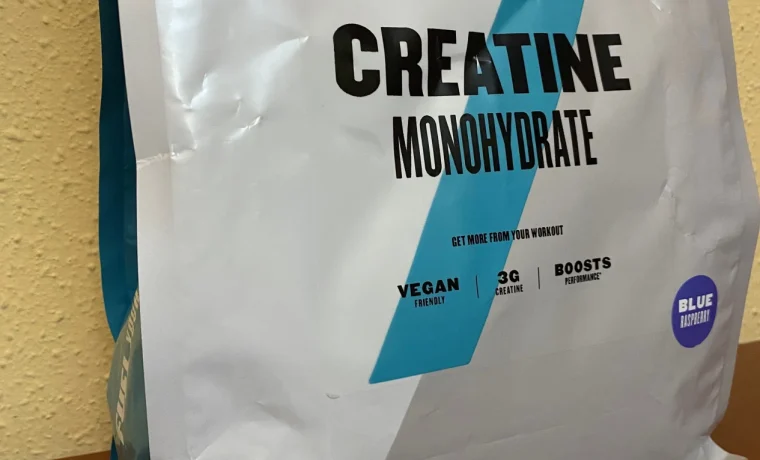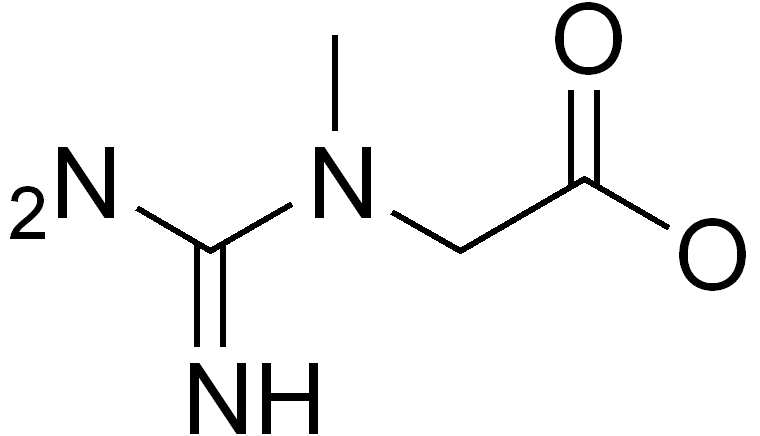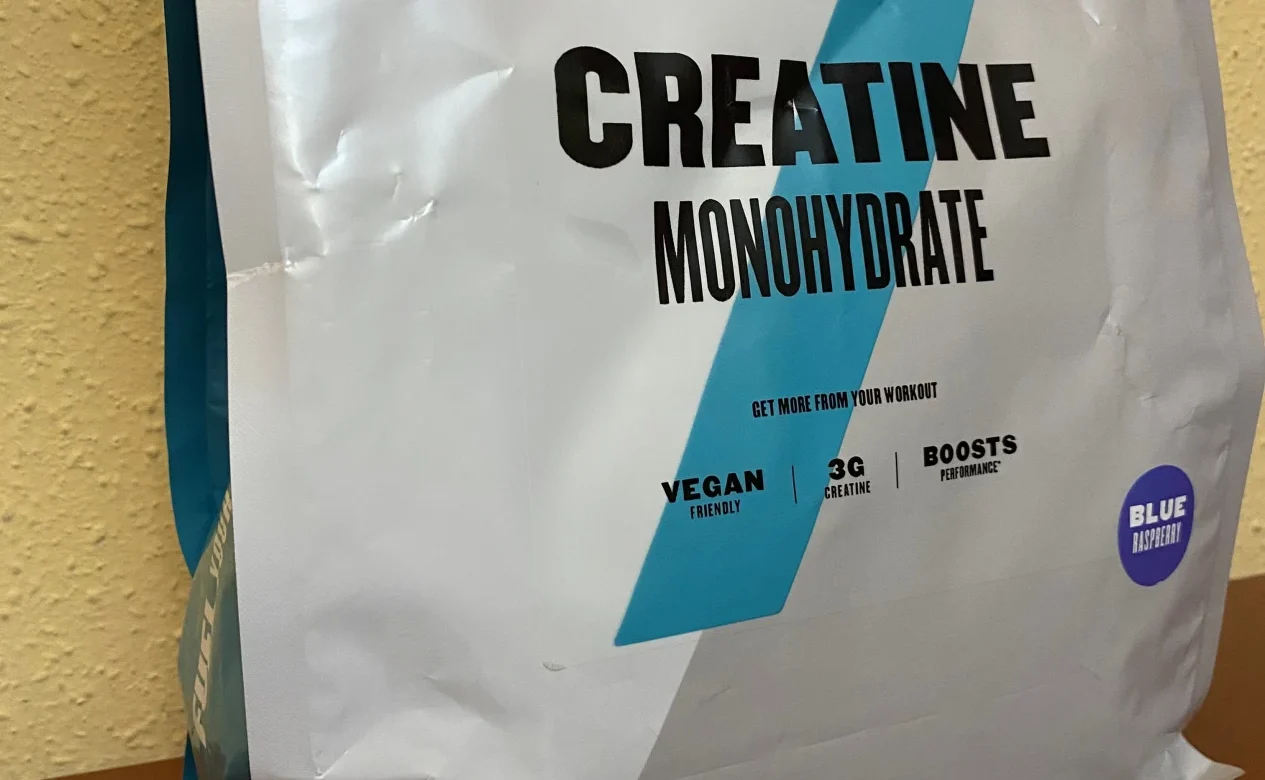
Creatine used in supplements is produced by controlled chemical synthesis, purified, and dried into powder. It is not usually extracted from meat, fish, or a batch of human tissue. That distinction can matter to readers who prefer a vegan product, but it also means that judging a creatine powder requires attention to manufacturing and purity rather than the source animal.
The basic manufacturing process creates a large batch, so consistency and contaminant control are central. A reputable maker should be able to describe its quality standards and provide independent verification when requested. The creatine molecule itself is the same whether it was synthesized commercially or made in the body.
Creatine is synthesized from simple chemical building blocks
Industrial creatine production commonly begins with sarcosine and cyanamide, which react to form creatine. Creatine is then isolated and purified through controlled processing, including steps intended to remove reaction materials and unwanted compounds. It is crystallized or spray-dried as creatine monohydrate, the standard form sold to consumers.
This route is chemically scalable and does not depend on animal tissue. Creatine found in meat and fish is the same molecule that the body uses or excretes, so a synthetic powder is not nutritionally different from the creatine in food. The human body does not need the original animal matrix to use it. Manufacturing choices can still influence purity, so those should be evaluated separately from the molecule's identity.
Purification protects the final product
The goal of purification is to leave creatine monohydrate behind while removing by-products and contaminants. Manufacturing controls cover the reaction, drying method, handling, and storage. These details affect whether the powder is stable and free from unwanted substances, but they are not visible to a shopper from the front of a tub.
A useful product page should therefore offer more than a dramatic claim. Look for a disclosed serving size, a complete ingredient list, manufacturing information, a lot or batch identifier, and a stated testing program. Genuinely independent testing can screen for specified contaminants. A brand's statement that its powder is 'pure' is less informative than documentation showing what was tested and by whom.
Manufacturing quality and your health are separate questions
A well-made product can still be inappropriate for a particular person. Creatine commonly increases serum creatinine because of its metabolism, and that laboratory change can be mistaken for reduced kidney filtering. People with known kidney disease, a history of acute kidney injury (sudden kidney damage), or unexplained changes in kidney markers should obtain clinician guidance before using any product, regardless of its purity.
The best practical approach is not to search for a mythical additive or animal-derived distinction. Choose transparent labeling, a credible testing program, and a dose you can tolerate. Then judge the product by whether it is pure creatine monohydrate, easy to take consistently, and reasonably priced, while keeping medical advice separate from the research regimen used in sports studies.
| Point | Evidence-based context |
|---|---|
| What this guide covers | How Is Creatine Made? |
| Core takeaway | Commercial creatine is chemically synthesized and purified rather than simply ground from meat. Here is how production and quality control work. |
| Evidence boundary | Most creatine studies involve healthy adults; read the limitations for population boundaries. |
| Source standard | 3 traceable scientific source(s) are listed with the article. |
Frequently asked questions
Is synthetic creatine as effective as creatine from food?
Chemically, the creatine molecule is the same. The body can use synthetic creatine monohydrate to increase muscle stores just as it uses dietary creatine.
Does creatine powder contain fillers?
A single-ingredient powder may contain little besides creatine monohydrate, while flavored or capsule products can have added ingredients. Read the ingredient list and allergen statement.
What matters most in creatine quality?
Identity, purity, contamination testing, accurate serving information, and manufacturing controls are more meaningful than claims that a powder came from a special source.
Limitations
- Manufacturing methods are proprietary, and consumers often cannot independently verify every production step.
- Independent certificates cover only the tests and batch included in the program.
- Evidence about production does not establish medical appropriateness for every individual.
References
International Society of Sports Nutrition position stand: safety and efficacy of creatine supplementation in exercise, sport, and medicine. — source record
Common questions and misconceptions about creatine supplementation: what does the scientific evidence really show? — source record
Nutritional and Non-Nutritional Strategies in Bodybuilding: Impact on Kidney Function — source record
Last updated: 2026-11-24