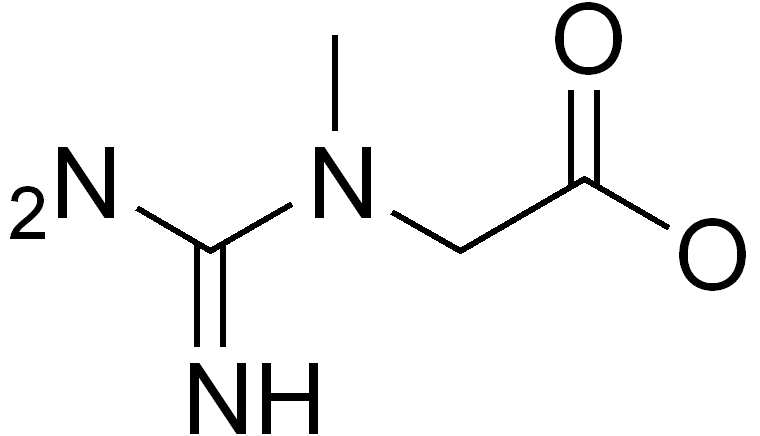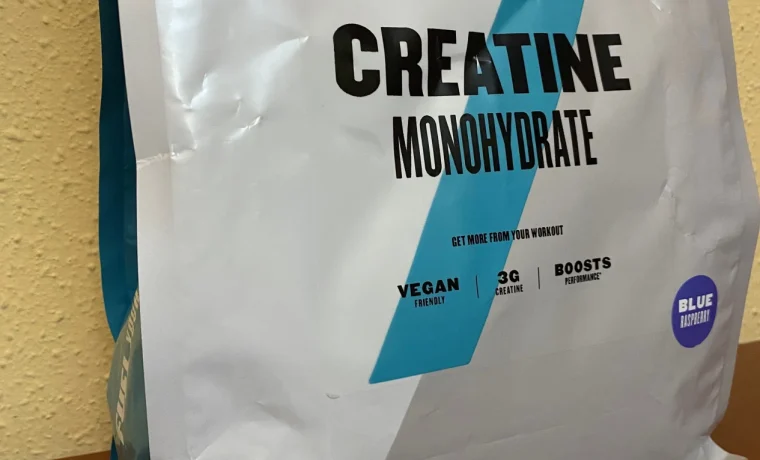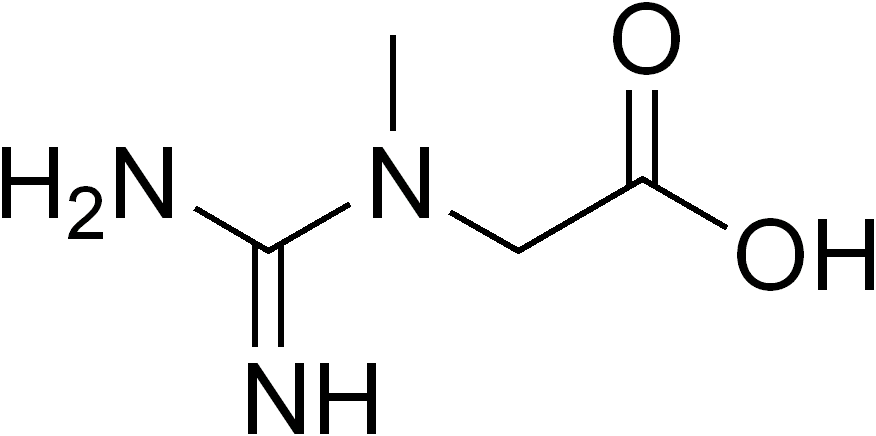
Creatine and protein powder are sometimes placed in the same category because both are popular with people who resistance train. They are not interchangeable, however. Protein supplies amino acids used to build and repair tissue. Creatine improves a rapid muscle energy system and may help people sustain more demanding training.
The right comparison depends on the goal. A person short on dietary protein may need a protein powder. A person seeking more strength or repeated high-intensity performance may benefit from creatine. Many people use both because they address separate needs, provided overall calories and protein remain appropriate.
They support different biological processes
Protein powder is a concentrated food made by separating or processing protein-rich sources such as milk, eggs, soy, peas, or rice. It provides essential amino acids, including leucine, an amino acid that helps signal muscle protein synthesis, so the body can maintain and build muscle protein. It contributes calories and can make it easier to meet a protein target, but it does not directly increase the phosphocreatine reserve that fuels rapid ATP turnover.
Creatine is not a protein and cannot replace the amino acids needed for tissue remodeling. Conversely, extra protein does not reproduce creatine's effects on repeated high-intensity capacity. Reviews find that creatine can modestly increase lean mass and strength when combined with resistance training, while protein supports a more direct role in meeting the body's protein requirement. The most useful outcome is often complementary, not competitive.
Compare goals, nutrition, and practical tradeoffs
The table below is a general guide rather than a personalized prescription. Individual protein needs vary with body size, training volume, age, energy availability, and health status. A plant-based athlete may find a plant protein blend useful, while a lacto-ovo vegetarian can use dairy or egg sources if they prefer. Creatine adds almost no meaningful calories, which can be convenient when total energy intake needs to remain controlled.
Protein powder is useful as a food, especially when whole-food protein is difficult to fit into the day. Creatine is useful as a small, consistent supplement when training includes repeated high-intensity work. Neither requires a loading phase, and neither should be used to compensate for inadequate meals, progressive training, or sleep. Product selection for either should start with a clear label and third-party testing.
| Question | Creatine | Protein powder |
|---|---|---|
| Primary role | Supports rapid ATP recycling | Provides essential amino acids and calories |
| Best-supported use | Strength and repeated high-intensity performance | Meeting a daily protein target |
| Calories | Minimal | Meaningful; varies by product |
| Typical use | 3–5 g daily | An amount that completes the day's protein target |
| Can replace the other? | No | No |
Who should prioritize one over the other?
Prioritize protein powder when meals repeatedly fall short of a reasonable protein target, when appetite limits food intake, or when a convenient, lactose-aware option fits your preferences. Protein spread throughout the day is generally more useful than one enormous serving, and individual needs should be set with a dietitian or qualified professional when medical or eating-disorder concerns are present.
Prioritize creatine when the main aim is strength, power, repeated intervals, or adding more quality work to resistance training. Women can use the same creatine protocol as men; research suggests benefits for women, although fewer trials have been conducted. Older adults may also benefit for strength or function alongside safe exercise. Creatine is not a treatment for kidney disease, and anyone with relevant medical concerns should obtain individualized advice.
Frequently asked questions
Is creatine or protein better for muscle growth?
Protein supports the building blocks for muscle, while creatine can support training capacity and lean mass. Adequate protein, training, and nutrition matter more than choosing one supplement over the other.
Can I take creatine and whey protein together?
Yes. There is no need to separate them. Consistency, adequate protein, and progressive training are more important than a special timing strategy.
Does protein powder contain creatine?
Most protein powders do not, and whey protein is not a meaningful creatine source. Read the label to confirm the ingredients and declared amounts.
Limitations
- The table summarizes common roles, not individualized protein or creatine targets.
- Product composition varies, and some flavored powders contain substantial sugar or caffeine.
- Supplement evidence does not replace assessment for kidney disease, eating disorders, pregnancy, or other clinical needs.
References
International Society of Sports Nutrition position stand: safety and efficacy of creatine supplementation in exercise, sport, and medicine. — source record
Effect of creatine supplementation on body composition and performance: a meta-analysis. — source record
Influence of age, sex, and type of exercise on the efficacy of creatine supplementation on lean body mass: A systematic review and meta-analysis of randomized clinical trials. — source record
Common questions and misconceptions about creatine supplementation: what does the scientific evidence really show? — source record
Nutritional and Non-Nutritional Strategies in Bodybuilding: Impact on Kidney Function — source record
Last updated: 2026-11-24