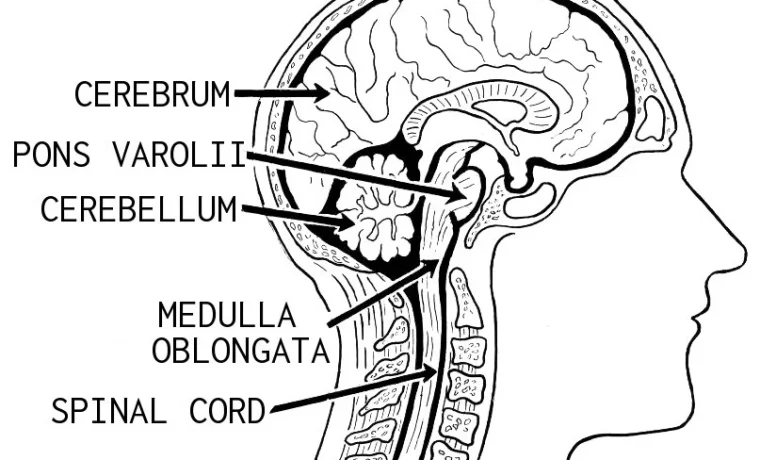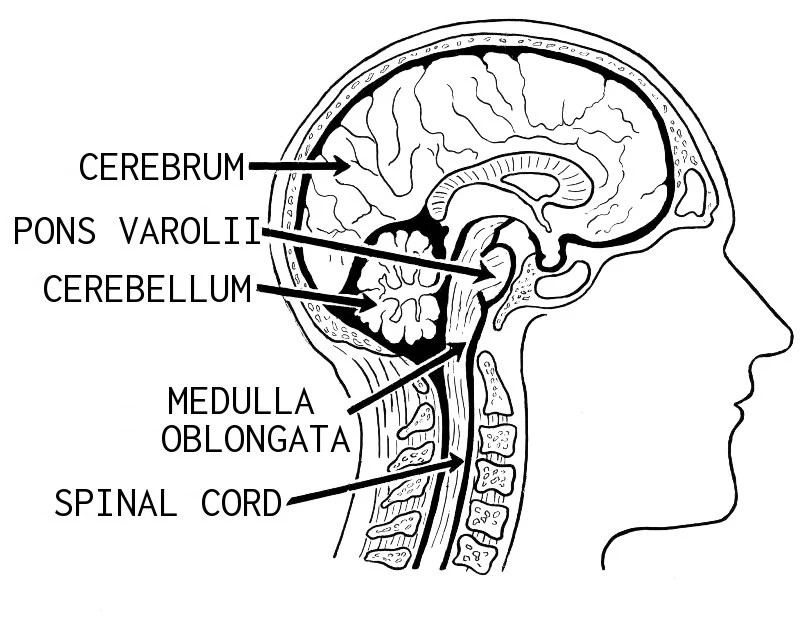
Creatine is not only a muscle nutrient. The brain also stores creatine and phosphocreatine, and research asks whether additional supply can support memory or thinking. Results are more nuanced than supplement marketing: a small meta-analysis found a memory signal, while a later broader review rated evidence for memory as moderate and most other cognitive domains as low certainty.
Why brain energy biology is relevant
Neurons use large amounts of glucose and oxygen, and their rapid signaling depends on carefully maintained ATP. Creatine and phosphocreatine provide a buffer system for ATP, especially where energy demand rises. Brain creatine levels can also vary between people and may be lower in some older adults or under stressful conditions. These observations provide a plausible mechanism for studying memory, but a plausible mechanism is not the same as demonstrated clinical benefit.
Most human supplementation trials use relatively small samples and cognitive tests that can be affected by practice effects, baseline differences, sleep, and familiarity with testing. Brain creatine may not increase in every person, and peripheral blood measurements do not perfectly reflect concentrations inside the brain. Research is therefore better at asking whether average test performance changes than at promising the same improvement for every healthy adult.
What the meta-analyses found
A 2023 meta-analysis of healthy individuals reported a small overall improvement in memory, with a larger estimated effect in older participants and little detectable difference in younger groups. A published letter challenged aspects of the analysis, which is a reminder to treat the estimate as provisional rather than definitive. A broader 2024 review of adults included healthy and clinical populations and found a moderate-certainty signal for memory, while evidence for overall cognition, executive function, attention, and processing speed was less certain.
These reviews do not support broad claims that creatine reliably improves intelligence, prevents dementia, or treats cognitive disease. Several factors limit generalization: study sizes are small, protocols vary, some participants have conditions rather than being healthy adults, and different cognitive tests measure different abilities. No supplement should replace evaluation or treatment for memory decline, depression, sleep disorders, or other possible medical causes of cognitive symptoms.
Who might reasonably consider it
Healthy adults interested in exercise may already have other reasons to consider creatine, such as supporting training capacity. Someone whose main goal is cognitive enhancement should expect a possible small memory benefit but not a guaranteed or dramatic change. Keeping expectations realistic helps distinguish a research signal from a marketing promise, and it discourages using more creatine in hopes of compensating for poor sleep or an unhealthy diet.
The safety question is not identical to the efficacy question. Most creatine research involves healthy adults, and common doses are generally well tolerated. People with kidney disease, pregnant people, minors, and people taking medicines that affect kidney function need individualized medical advice. A new or rapidly worsening cognitive change should be assessed clinically rather than treated with a supplement; such symptoms can reflect sleep, medication, metabolic, mood, or neurologic problems that require proper diagnosis.
| Point | Evidence-based context |
|---|---|
| What this guide covers | Creatine and Brain Function: What Cognitive Research Shows |
| Core takeaway | Brain creatine research is promising, especially for memory, but it does not yet justify treating creatine as a general intelligence enhancer or dementia treatment. |
| Evidence boundary | Most creatine studies involve healthy adults; read the limitations for population boundaries. |
| Source standard | 4 traceable scientific source(s) are listed with the article. |
Frequently asked questions
Can creatine improve memory?
The best available meta-analytic evidence suggests a small improvement on some memory tests, with a stronger signal in older adults. The certainty is moderate rather than conclusive, and a healthy young adult may notice no measurable change.
Does creatine prevent dementia?
That claim has not been established. Some trials include people with diseases or cognitive impairment, but those results cannot prove prevention, and creatine is not a substitute for risk management or medical evaluation.
How much creatine reaches the brain?
Brain creatine concentrations do not rise in everyone, and the amount that reaches the brain varies. These uncertainties make direct links between a supplement dose and a precise cognitive effect difficult, even though the general safety profile in healthy adults is reassuring.
Limitations
- Cognitive trials are often small and heterogeneous, with potential practice and publication effects.
- A pooled average does not predict an individual response, and some reviews include clinical populations that differ from healthy consumers.
- No evidence supports using creatine as a treatment for dementia or another diagnosed cognitive disorder.
References
Effects of creatine supplementation on memory in healthy individuals: a systematic review and meta-analysis of randomized controlled trials. — source record
The effects of creatine supplementation on cognitive function in adults: a systematic review and meta-analysis. — source record
Part II. Common questions and misconceptions about creatine supplementation: what does the scientific evidence really show? — source record
International Society of Sports Nutrition position stand: safety and efficacy of creatine supplementation in exercise, sport, and medicine. — source record
Last updated: 2026-11-24