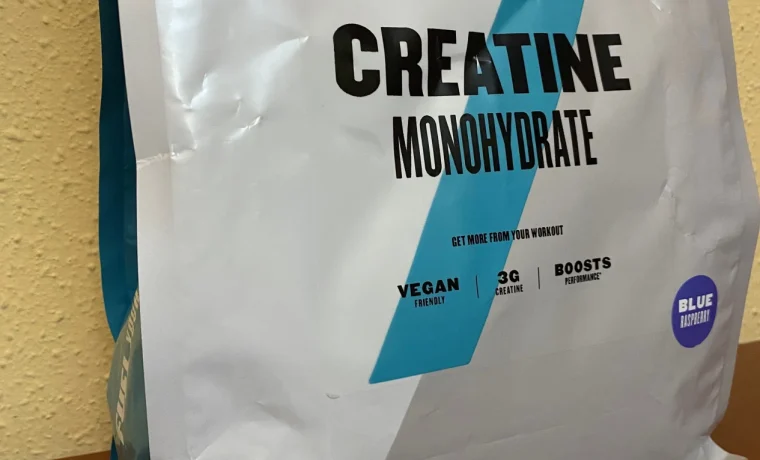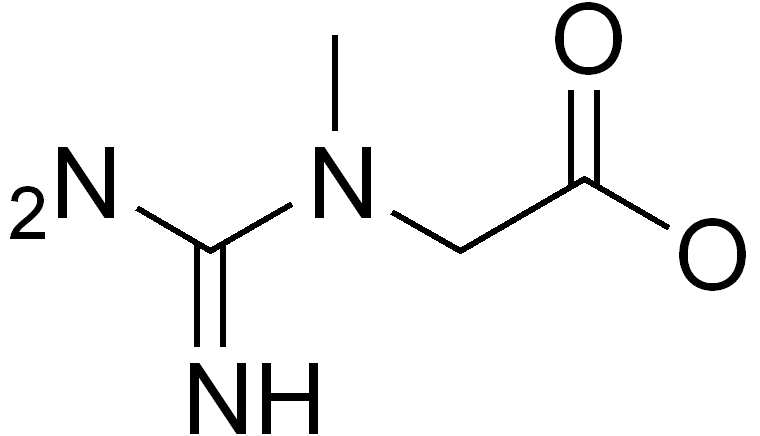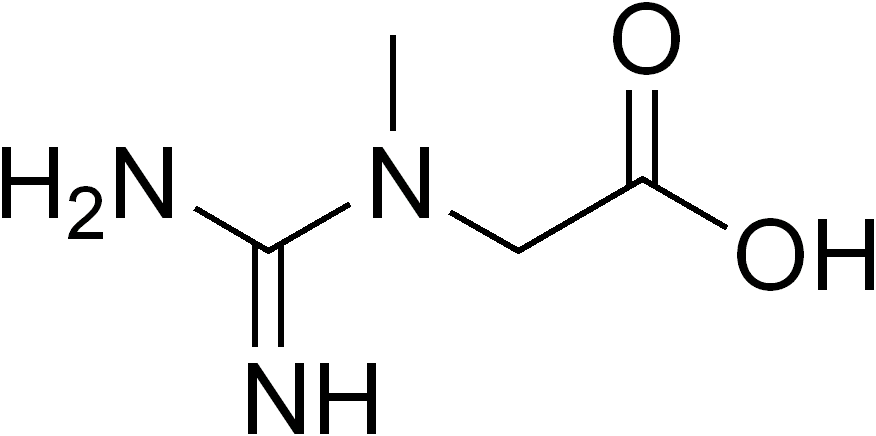
Creatine HCl and buffered creatine are often sold as alternatives that dissolve better and cause less stomach discomfort. They may offer a different user experience, but the scientific question is whether they produce better muscle creatine, performance, or tolerability than the reference form. For these products, direct evidence is much thinner than for monohydrate, and marketing language often runs ahead of the data.
Creatine HCl: what it is
Creatine HCl is a salt form in which creatine is paired with hydrochloric acid. It is marketed as more water-soluble and less likely to cause stomach discomfort than monohydrate. Because it is a different chemical form, monohydrate studies cannot simply be relabeled as evidence for HCl. A credible claim would require controlled comparisons showing higher muscle creatine, better performance, or a clinically meaningful tolerability advantage.
The broader creatine evidence reviews conclude that alternative forms have not demonstrated superiority to monohydrate in good comparative research. A theoretical solubility advantage may influence how much product dissolves, but dissolution is only one step. What matters downstream is how much creatine reaches muscle and how consistently that happens. Reviews also note that some users report subjective stomach or cramping complaints with HCl, so the claim that every form is gentler is not established.
Buffered creatine: what it is
Buffered creatine usually means creatine combined with salts or another buffering agent, marketed to reduce stomach acidity and improve tolerance. The buffer changes the chemical presentation, so evidence for standard monohydrate does not automatically apply. Unless a product clearly specifies the active ingredients and doses, a proprietary blend can also make it difficult to compare what the consumer is actually taking with research-grade interventions.
The case for a separate buffered form is primarily about user experience and convenience, not a large body of demonstrated superiority. Reviews find insufficient evidence to conclude that buffered creatine performs better or is safer than monohydrate. Because some buffered products include extra ingredients, a person may also be exposed to additional sweeteners, flavor systems, or compounds whose effects and interactions have not been evaluated as part of the creatine evidence base.
How to compare a product on evidence
Start with the active ingredient and amount per serving, then check whether the product has been tested for purity and label accuracy. The strongest evidence supports plain creatine monohydrate at 3 to 5 grams daily for healthy adults, with optional loading. If a person values dissolving, taste, or reduced stomach irritation, an alternative may be a reasonable personal choice, but the expectation should be convenience rather than a proven performance edge.
Cost is part of the comparison because alternative forms are often sold at a premium. Test one product at a time, keep the dose and training stable, and evaluate comfort and performance over several weeks. Do not stack multiple creatine products, which can cause duplicate dosing and make adverse effects harder to interpret. Medical precautions are the same as for other forms: kidney disease, pregnancy, minors, and relevant medication use call for individualized medical advice.
| Point | Evidence-based context |
|---|---|
| What this guide covers | Creatine HCl and Buffered Creatine: Evidence Review |
| Core takeaway | Creatine HCl and buffered creatine lack the broad evidence base of monohydrate; solubility and marketing claims do not establish better performance or safety. |
| Evidence boundary | Most creatine studies involve healthy adults; read the limitations for population boundaries. |
| Source standard | 4 traceable scientific source(s) are listed with the article. |
Frequently asked questions
Is creatine HCl better than creatine monohydrate?
Not on current evidence. HCl may dissolve differently and some people prefer the experience, but it has not shown a consistent, meaningful advantage in muscle creatine or performance over the extensively studied monohydrate form.
Does buffered creatine cause less stomach upset?
That is a marketing goal rather than a settled advantage. Some people report better tolerance with a particular product, while others report cramps or discomfort. Individual experience varies, and the composition of 'buffered' products may differ.
Which form is easiest to research and compare?
Plain creatine monohydrate. Its dose, chemistry, and product quality are easier to describe, and most randomized and safety research uses it. That makes it the most transparent choice unless a consumer has a specific tolerability preference.
Limitations
- Comparative trials for HCl and buffered forms are limited, and commercial formulations may vary.
- Subjective tolerability does not establish superior efficacy or universal safety.
- Monohydrate evidence cannot be assumed to apply automatically to chemically different products.
References
Common questions and misconceptions about creatine supplementation: what does the scientific evidence really show? — source record
Part II. Common questions and misconceptions about creatine supplementation: what does the scientific evidence really show? — source record
International Society of Sports Nutrition position stand: safety and efficacy of creatine supplementation in exercise, sport, and medicine. — source record
Effect of creatine supplementation on body composition and performance: a meta-analysis. — source record
Last updated: 2026-11-24