Safety & Kidney Health
Creatine and Digestive Issues: Causes and Solutions
Digestive symptoms may relate to dose or timing, but persistent or severe symptoms should be evaluated rather than assumed to be harmless.
Understand Creatine. Follow the Evidence.
Evidence guide archive
52 published records.
Safety & Kidney Health
Digestive symptoms may relate to dose or timing, but persistent or severe symptoms should be evaluated rather than assumed to be harmless.
Brain & Cognition
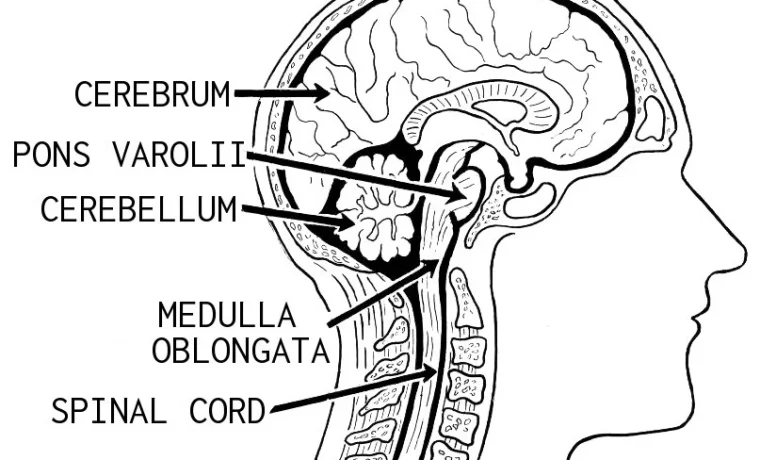
Brain creatine research is promising, especially for memory, but it does not yet justify treating creatine as a general intelligence enhancer or dementia treatment.
Safety & Kidney Health
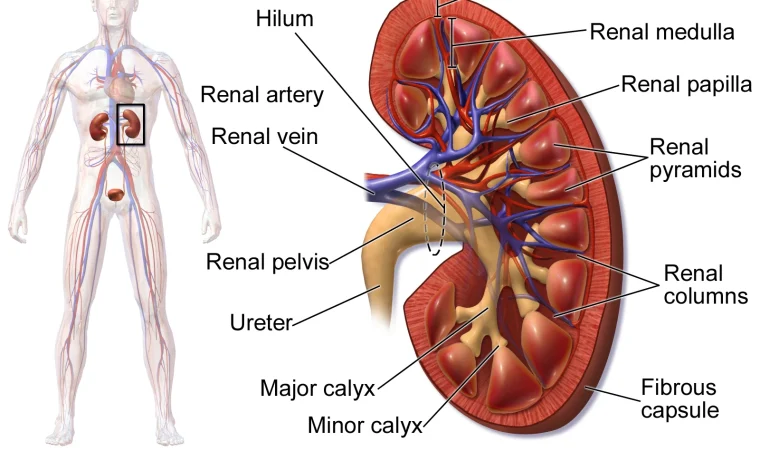
Creatine may raise serum creatinine without kidney injury; disclose its use so a clinician can interpret kidney estimates and distinguish supplement effects from disease.
Safety & Kidney Health
Most healthy adults tolerate creatine well, but early water-weight changes and occasional digestive discomfort are reported and worth understanding before starting.
Safety & Kidney Health
A short safety review can separate routine creatine use from situations that warrant professional advice, before problems arise.
Creatine Performance
Creatine has a large evidence base, but its quality varies. Learning how studies are designed helps separate useful findings from claims that go beyond the data.
Forms & Ingredients
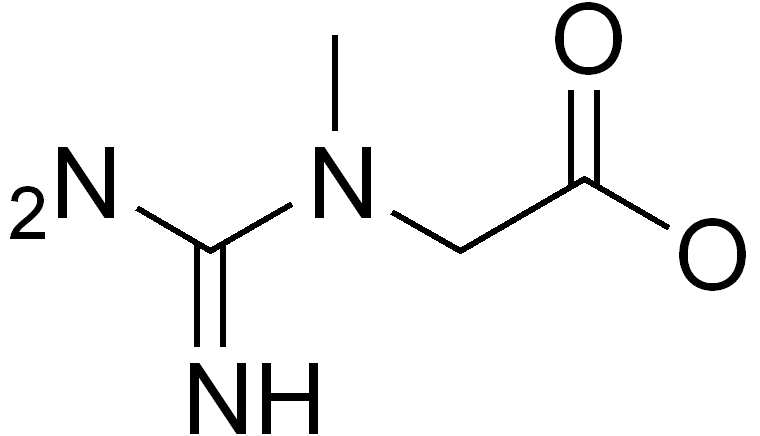
Creatine product selection should start with evidence, active chemistry, and purity—not novelty; monohydrate remains the reference form.
Forms & Ingredients
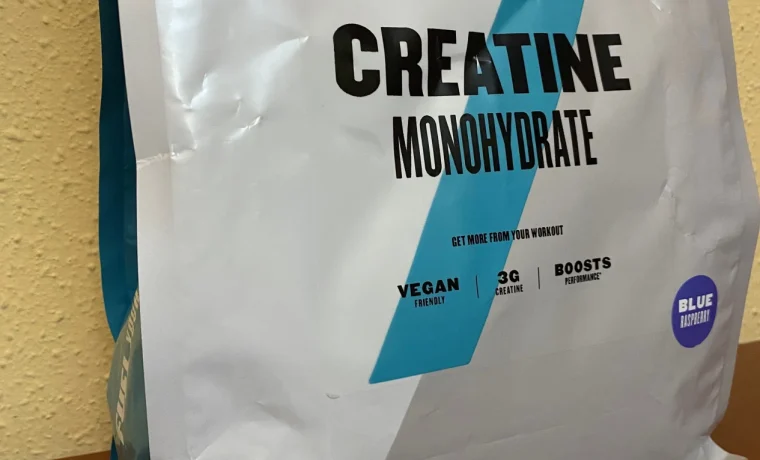
Creatine monohydrate has the deepest evidence base and serves as the reference against which other forms should be compared, not merely the cheapest option.
Forms & Ingredients
Creatine HCl and buffered creatine lack the broad evidence base of monohydrate; solubility and marketing claims do not establish better performance or safety.
Creatine Fundamentals
A concise checklist for evaluating creatine: choose monohydrate, use a consistent dose, track outcomes, and account for health and blood-test caveats.