Creatine Fundamentals
Creatine Phosphate and ATP: The Energy Recycling System
Creatine phosphate helps regenerate ATP during sudden, intense demand. Here is the energy-recycling system in detail, with clear limits on what it predicts.
Understand Creatine. Follow the Evidence.
Evidence guide archive
52 published records.
Creatine Fundamentals
Creatine phosphate helps regenerate ATP during sudden, intense demand. Here is the energy-recycling system in detail, with clear limits on what it predicts.
Dosage & Timing
Creatine works best when muscle stores remain elevated. Daily maintenance is simple, reliable, and often more practical than loading.
Creatine Fundamentals
Creatine comes from both natural body synthesis and animal foods. Learn how these sources differ and why vegetarian and vegan diets often contain little creatine.
Dosage & Timing
Creatine can be taken at any consistent time. Compare pre-workout, post-workout, and meal-based timing using the evidence rather than marketing claims.
Creatine Fundamentals
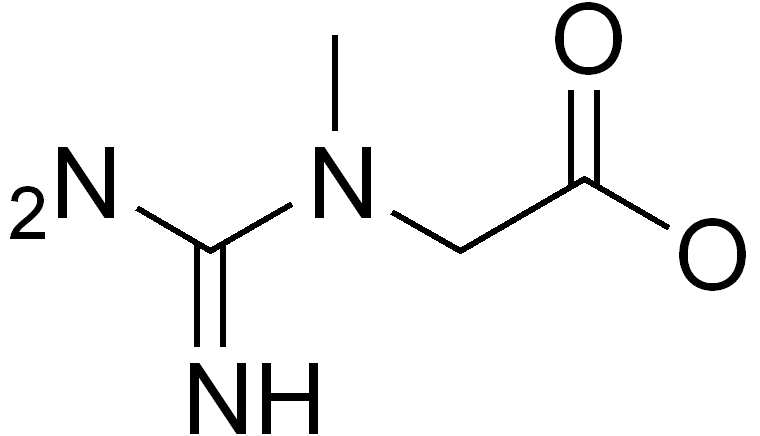
Creatine is a non-protein amino acid that helps muscles recycle ATP during demanding work. Learn what it does, who may benefit, and what the evidence does not show.
Creatine Fundamentals
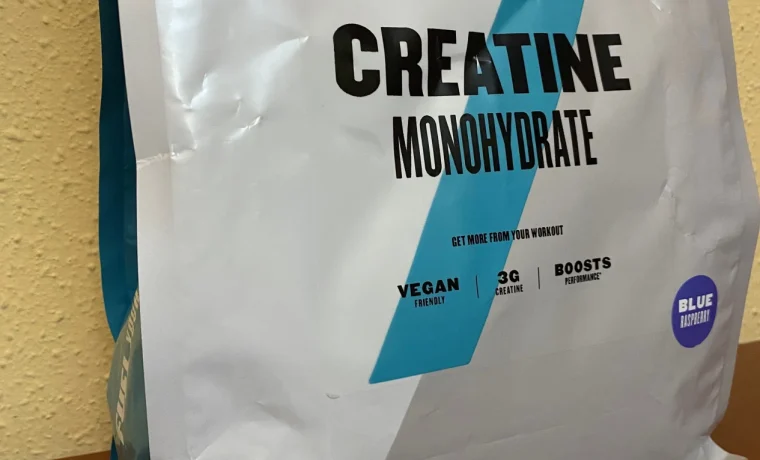
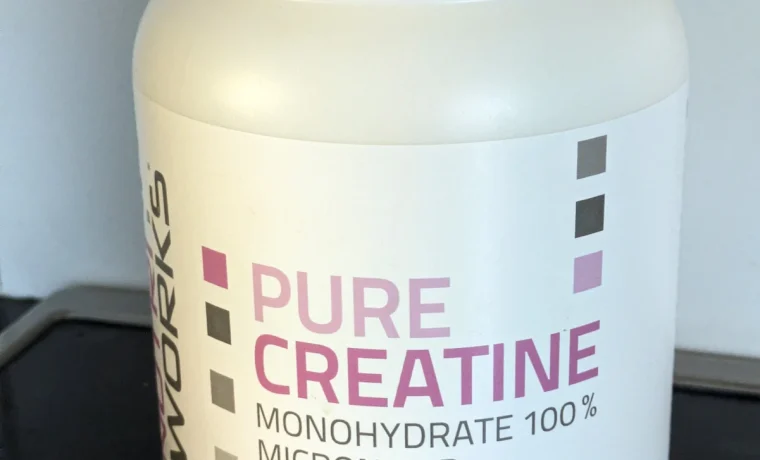
Creatine monohydrate is the form used in most high-quality research. Here is why it is the practical standard and what product labels to inspect.
Dosage & Timing
A missed creatine dose is not a setback. Learn how to resume normally, why doubling is unnecessary, and how missed days affect consistency.
Dosage & Timing
Daily use is the standard because creatine maintains an enlarged muscle store. Learn what happens on rest days and when you may reasonably pause.
Forms & Ingredients
Micronized creatine is still creatine monohydrate; the process may improve mixing, but good evidence does not show a reliable performance advantage over standard monohydrate.
Dosage & Timing
Most adults can use 3–5 g of creatine monohydrate daily, with optional loading for faster saturation. Here is how to choose a dose and use it safely.