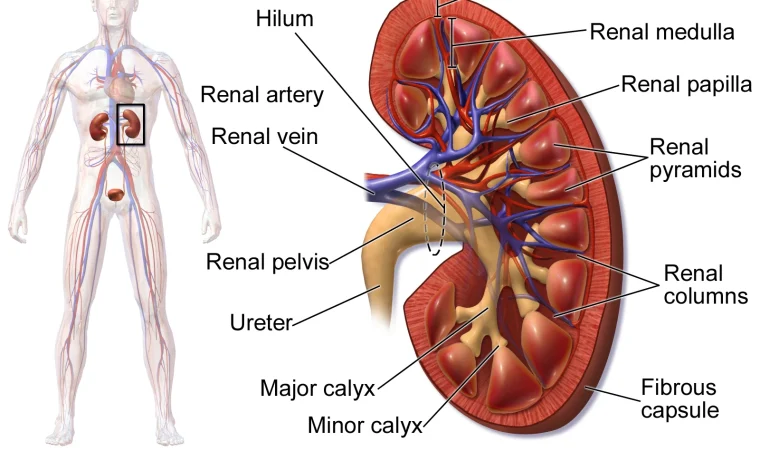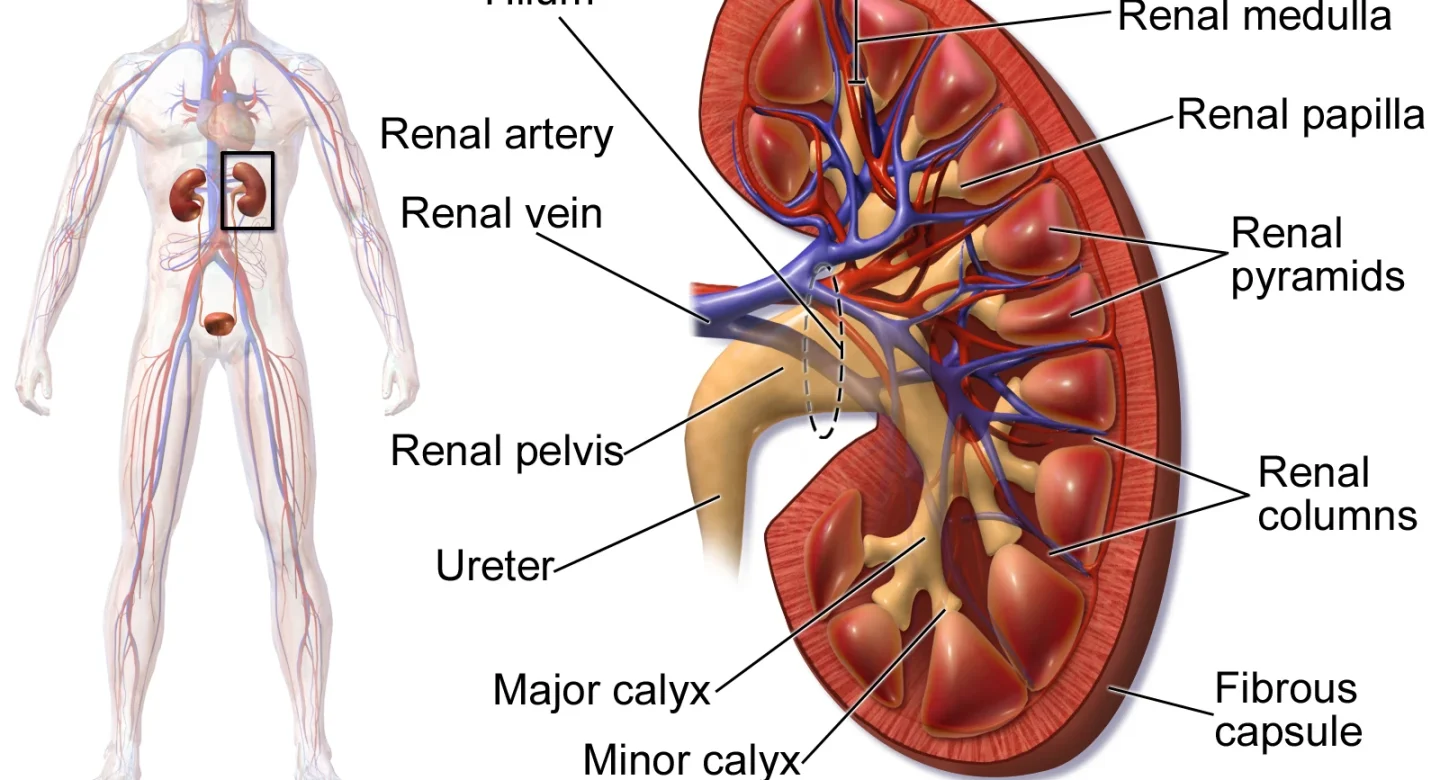
Long-term creatine safety is supported by more evidence than many novel claims, but the wording still matters. Studies support good tolerability and generally stable kidney function in healthy adults using standard doses of creatine monohydrate. They do not prove that every creatine product, every dose, or every person is safe indefinitely. Long follow-up data are limited for some outcomes, directly measured filtration is less common than creatinine-based estimates, and high-risk clinical groups need separate consideration. A responsible safety assessment combines what is known, what is missing, and the boundaries of the evidence.
What long-term means in the evidence
Long-term safety can mean months or years of use, repeated laboratory monitoring, stable kidney outcomes, and the absence of clinically important adverse events. It is stronger when the study uses a known product, appropriate dose, and adequate control. Many creatine trials last only several weeks, while some follow-up studies extend to months or longer. Reviews often combine these designs, but the durations and outcomes are not identical. A one-year study in healthy adults cannot answer what happens after decades, and a six-week trial cannot establish long-term renal safety.
Safety is also more than kidney function. Gastrointestinal symptoms, fluid-related weight change, liver outcomes, bone health, reproductive questions, contaminants, and interactions with medications may matter. Some have direct evidence; others are inferred from short studies, product standards, or broader physiology. The strongest conclusion is that creatine monohydrate has a favorable and well-characterized safety profile in healthy adults at common doses, not that it is universally safe under all circumstances.
Kidney evidence is reassuring but methodologically limited
Systematic reviews and meta-analyses of kidney outcomes report no meaningful reduction in filtration in healthy creatine users, while noting that serum creatinine can rise because of conversion and altered tubular secretion. A 2019 review, a 2025 meta-analysis, and reviews in resistance-trained people consuming high-protein diets all contribute to this pattern. The evidence is strongest for healthy adults with normal baseline kidney function and reputable creatine monohydrate.
An important limitation is measurement. Many studies estimate GFR from serum creatinine, the same variable that creatine may raise. A newer synthesis emphasizes the evidence gap in directly measured GFR. Small hemodynamic or tubular changes might be missed, even if no clinically meaningful injury occurs. The practical implication is not that creatine is dangerous, but that longitudinal monitoring should not rely on a single creatinine-based estimate in a person with unusual values or risk factors.
Product quality and the dose matter
Most safety evidence concerns pure creatine monohydrate. The marketplace includes products with altered names, blends, flavoring systems, and variable labeling. Independent certification can reduce contamination and potency uncertainty, but it does not turn an untested formula into monohydrate or erase the need to follow a sensible dose. A serving that provides the stated amount of creatine is a basic requirement.
Higher intake is not automatically safer or more effective. The common 3-to-5-gram daily dose for healthy adults is sufficient for maintenance, and loading is optional. Large unneeded doses can increase early fluid-weight and gastrointestinal effects. Product contamination, unknown ingredients, and combining multiple stimulants are much more likely to complicate safety than a well-characterized monohydrate powder used at a standard amount. The table below separates the main safety domains and the degree of support for each.
| Safety domain | Evidence for standard monohydrate in healthy adults | Confidence | Important boundary |
|---|---|---|---|
| Short-term tolerability | Generally favorable; early water weight and GI upset can occur | High | Symptoms vary by dose and individual |
| Kidney function | No consistent meaningful impairment observed | Moderate to high | Directly measured filtration evidence is limited |
| Long-duration outcomes | Some multi-month studies are reassuring | Moderate | Decades-long data and many subgroups are absent |
| Clinical high-risk groups | Not sufficiently studied for blanket reassurance | Low to moderate | Kidney disease, pregnancy, minors, and medications need review |
| Product quality | Pure monohydrate is well characterized | Variable by market product | Certification and accurate labeling reduce uncertainty |
Practical monitoring for a healthy adult
A healthy adult does not need a special medical protocol simply to use standard creatine monohydrate, but a sensible habit is to tell the clinician and laboratory about supplement use. Keep the dose steady and obtain routine blood work when it is clinically indicated, especially if there is a family history of kidney disease or an existing risk factor. If the laboratory reports a creatinine change, consider cystatin C or another filtration measure rather than assuming either injury or complete innocence.
Long-term monitoring should be proportionate rather than excessive. A person with no risk factors, a stable clinical picture, and no abnormal laboratory results does not need to schedule extra tests simply to make a supplement appear safer. Routine care and disclosure are generally enough. The plan becomes more intensive when the baseline is uncertain, kidney function is already reduced, medication changes, or a new lab abnormality appears. Under those circumstances, a clinician can decide which repeat value or alternative filtration estimate is most informative.
Track meaningful symptoms rather than every transient sensation. Temporary bloating, mild stomach discomfort, or an early increase in body mass from muscle water can often be addressed by taking the dose with food, splitting it, or reducing the loading phase. Persistent abdominal pain, vomiting, marked swelling, reduced urine output, dark urine, severe weakness, confusion, or unexplained lab deterioration requires medical assessment. Stopping and seeking advice is appropriate when symptoms are concerning; creatine should never be used to push through them.
Groups that need different evidence and oversight
People with kidney disease, reduced kidney function, recurrent kidney stones, or significant urinary obstruction should not apply healthy-adult safety findings to themselves. A clinician may need to assess kidney function, review medication such as NSAIDs or other drugs that affect renal risk, and set a monitoring plan. Pregnancy requires discussion because the safety evidence in pregnant people is not equivalent to adult evidence, and the needs of fetus and mother take priority over a possible performance effect.
The same principle applies when a healthy-looking laboratory result conflicts with symptoms. Persistent nausea, changes in urination, unusual fatigue, or declining exercise tolerance should not be dismissed because one creatinine value is within the laboratory reference range. Conversely, an isolated mild creatinine rise in an asymptomatic person should not be treated as proof of injury. A clinician integrates the values, symptoms, and baseline. That nuanced approach is what turns a long-term safety question into an actionable clinical plan.
Minors should involve a pediatric clinician or qualified adolescent-sports professional. People taking medication, including those affecting kidney function, blood pressure, glucose, or hydration, should have a pharmacist or prescriber review the combination. Clinical populations with frailty, cachexia, neuromuscular disease, or metabolic disease require condition-specific advice. In every case, the absence of a studied benefit is different from proof of harm, and the presence of a plausible benefit does not override safety. The goal is an individualized decision, not a universal safety slogan.
Frequently asked questions
Is creatine safe to take for years?
Available multi-month studies and reviews are reassuring for healthy adults at standard doses, but they do not prove safety for every person or provide decades-long data. Product quality and individual health status remain important.
Does long-term creatine use damage the kidneys?
Current reviews do not show consistent kidney impairment in healthy users. Serum creatinine can rise as a conversion signal without reduced filtration, and direct GFR evidence remains limited.
Do I need blood tests while taking creatine?
Routine testing is not required solely because a healthy adult uses creatine, but it is sensible to disclose the supplement and discuss monitoring when clinically indicated or when risk factors are present.
Is creatine safe with medication or during pregnancy?
There is no universal answer. Kidney function, the specific medication, dose, and health context matter, so a clinician or pharmacist should review the plan. Pregnancy, kidney disease, and use by minors warrant individualized guidance.
Limitations
- Long-term studies are shorter than the word long-term often implies, and many outcomes have less data than kidney outcomes.
- Creatinine-based filtration methods limit interpretation, while directly measured long-term GFR and other organ outcomes are less extensively studied.
- Evidence is concentrated on healthy adults using pure monohydrate and does not establish universal safety for clinical populations, minors, pregnancy, or every commercial product.
References
Common questions and misconceptions about creatine supplementation: what does the scientific evidence really show? — source record
Part II. Common questions and misconceptions about creatine supplementation: what does the scientific evidence really show? — source record
International Society of Sports Nutrition position stand: safety and efficacy of creatine supplementation in exercise, sport, and medicine. — source record
Effects of Creatine Supplementation on Renal Function: A Systematic Review and Meta-Analysis. — source record
Effect of creatine supplementation on kidney function: a systematic review and meta-analysis. — source record
Does long-term creatine supplementation impair kidney function in resistance-trained individuals consuming a high-protein diet? — source record
Creatine supplementation and kidney function in healthy, physically active adults: a systematic review and meta-analysis and the evidence gap in directly measured glomerular filtration — source record
Bioavailability, Efficacy, Safety, and Regulatory Status of Creatine and Related Compounds: A Critical Review. — source record
Nutritional and Non-Nutritional Strategies in Bodybuilding: Impact on Kidney Function — source record
Creatine Supplementation in Children and Adolescents. — source record
Risk of Adverse Outcomes in Females Taking Oral Creatine Monohydrate: A Systematic Review and Meta-Analysis. — source record
Creatine in Health and Disease. — source record
Last updated: 2026-11-24