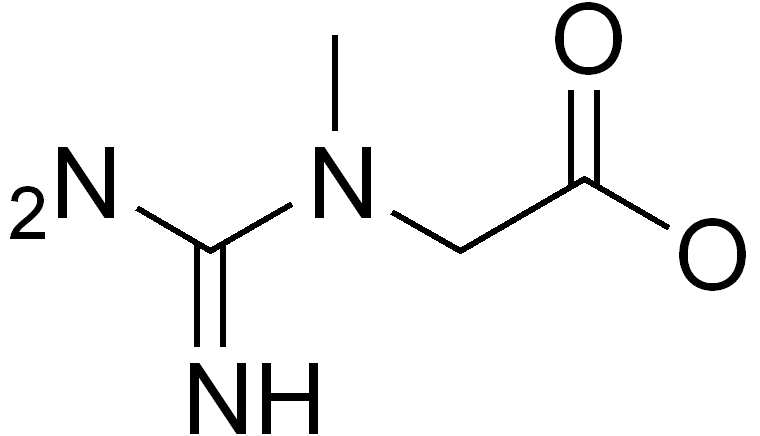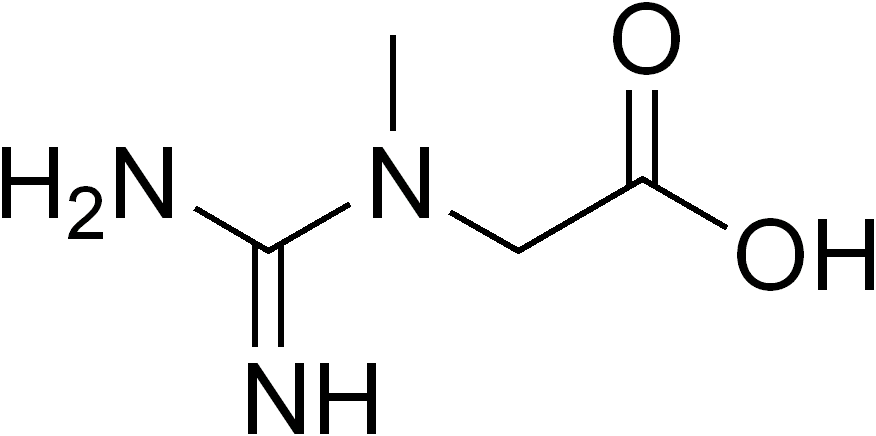
Creatine is one of the body's most abundant naturally occurring compounds, but it is also one of the most widely researched sports supplements. It is not a protein and not a stimulant. Instead, it is a non-protein amino acid—a small building block used in cells to help make and move energy. The body makes creatine in the liver, kidneys, and pancreas and obtains some from foods such as meat and fish, then stores much of it in skeletal muscle.
Muscle creatine supports a system called the phosphagen system, which rapidly replenishes ATP, the molecule that muscles use for immediate energy. That makes creatine most relevant to repeated short bouts of intense effort, such as lifting, sprinting, jumping, and interval training. Research reviews support creatine monohydrate as an effective aid for strength, repeated high-intensity performance, and lean mass when it is paired with resistance training, while also emphasizing that it is not a shortcut around training, food, or sleep.
Creatine is an amino acid, not a protein
The word amino acid can sound like it refers to protein, but not every amino acid becomes part of a protein. Creatine is a non-protein amino acid: it contains an amino group, but it does not directly supply the building blocks of muscle protein. It is stored in muscle chiefly as creatine and phosphocreatine. Phosphocreatine is a high-energy phosphate form that can donate a phosphate group to ADP, a lower-energy form of ATP, regenerating ATP through the action of creatine kinase, an enzyme that moves energy between these molecules.
That role is easiest to understand during work that changes demand quickly. A heavy squat, a maximal jump, or a repeated sprint requires more ATP than can be produced instantly by the slower oxidative energy system. Creatine and phosphocreatine provide a rapid local buffer, helping maintain ATP availability when demand rises. A daily creatine supplement increases the size of the muscle creatine pool in many users; it does not add protein to muscle, replace a meal, or act like caffeine.
What research says creatine can do
Across randomized trials, creatine supplementation tends to improve repeated high-intensity exercise performance and can modestly improve maximal strength and lean body mass when used with resistance training. A typical response is not spectacular on any single workout. Instead, creatine can make a hard set or later repetition feel more manageable, which may allow more quality training over time. The strongest evidence concerns short, intense efforts and strength-oriented programs, not every form of exercise.
Reviews also identify practical responses that vary among users. People who begin with lower muscle creatine stores, including many vegetarians and some older adults, may have more room to improve performance. However, this does not mean creatine fails for omnivores or that every vegetarian will notice a large change. Benefits are also not guaranteed to translate into extra muscle; diet, programmed resistance training, and recovery remain the foundation for adaptation.
Safety, blood tests, and realistic expectations
Creatine monohydrate has a large research base and is generally well tolerated by healthy adults at standard supplement doses. A common early change is a small rise in body weight from water retained inside muscle cells. Serum creatinine, a blood marker often used as an indirect sign of kidney filtering, can also rise slightly because creatine is converted to creatinine. This laboratory pattern does not by itself mean kidney injury, but a clinician unfamiliar with supplementation may need context.
Anyone with kidney disease, a history of serious kidney problems, or unusual blood-test results should ask a qualified health professional before supplementing. Creatine has also been studied in clinical populations, but research regimens should not be treated as individualized medical advice. For healthy adults, creatine is best understood as a useful, evidence-based training aid—not a substitute for progressive resistance exercise, adequate protein and calories, or sleep.
| Point | Evidence-based context |
|---|---|
| What this guide covers | What Is Creatine? |
| Core takeaway | Creatine is a non-protein amino acid that helps muscles recycle ATP during demanding work. Learn what it does, who may benefit, and what the evidence does not show. |
| Evidence boundary | Most creatine studies involve healthy adults; read the limitations for population boundaries. |
| Source standard | 5 traceable scientific source(s) are listed with the article. |
Frequently asked questions
What is the main benefit of creatine?
Its best-supported benefit is helping muscles sustain repeated, high-intensity efforts by increasing the creatine available for rapid ATP replenishment.
Does creatine build muscle on its own?
No. Creatine may support lean mass and strength when combined with resistance training, but it cannot replace progressive exercise or adequate nutrition.
Is creatine safe for healthy adults?
Creatine monohydrate is generally well tolerated at standard research doses. People with kidney disease or concerning blood-test results should ask a clinician before using it.
Limitations
- Performance effects depend on the type of exercise and training status, so not every study or user will show the same result.
- Many trials are short and include predominantly healthy young men; evidence for women, older adults, and vegetarians is smaller and less uniform.
- General safety findings do not replace medical advice for people with kidney disease, pregnancy, or other clinical conditions.
References
International Society of Sports Nutrition position stand: safety and efficacy of creatine supplementation in exercise, sport, and medicine. — source record
Effect of creatine supplementation on body composition and performance: a meta-analysis. — source record
Influence of age, sex, and type of exercise on the efficacy of creatine supplementation on lean body mass: A systematic review and meta-analysis of randomized clinical trials. — source record
Common questions and misconceptions about creatine supplementation: what does the scientific evidence really show? — source record
Nutritional and Non-Nutritional Strategies in Bodybuilding: Impact on Kidney Function — source record
Last updated: 2026-11-24