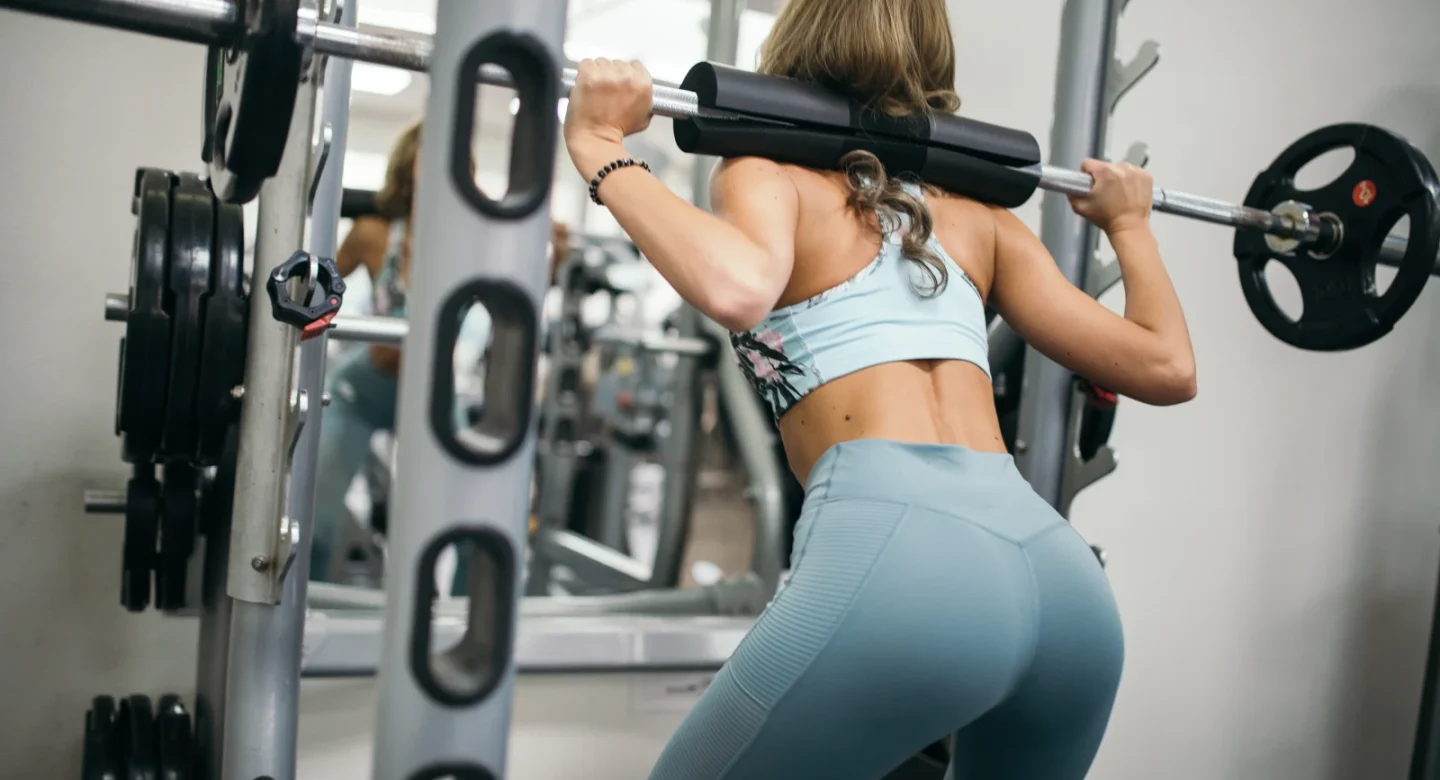
Creatine is sometimes marketed as a supplement for men, but that framing reflects marketing history more than the evidence. Women can use creatine, and controlled trials and reviews include women across a range of ages. The main scientific task is to look past the assumption and examine which outcomes have actually been studied well in women.
What research shows in women
A 2021 meta-analysis of 10 randomized trials in older women found that adding creatine to resistance training improved upper-body strength; results for lower-body strength and muscle mass were less conclusive, and longer trials of at least 24 weeks showed strength benefits in both regions. The older Branch meta-analysis did not identify a clear sex difference in average performance effects. Together, these findings support creatine as a plausible training aid for women rather than a male-only supplement.
A 2022 meta-analysis found a larger average lean-mass response in men than women during resistance training, but the female estimate was not statistically significant and does not prove that women cannot benefit. Trials often include few women, produce imprecise estimates, and vary in dose, training, and measurement. More research is needed, but uncertainty is not evidence of no response or a reason to recommend a different supplement.
Life stage and practical relevance
Pregnancy, breastfeeding, and the postpartum period are separate questions from training in nonpregnant adults. Although creatine is a normal component of muscle and dietary intake, the supplement safety evidence in pregnancy is much less developed. The 2025 evidence review notes that pregnancy has been studied in small clinical settings, but available data do not support telling a pregnant person to begin supplementation without her prenatal clinician.
Menopause is associated with changes in muscle, bone, and body composition, and resistance training remains the central intervention. For a postmenopausal person who is eligible to train, creatine's strength evidence may be relevant, but bone-density and long-term functional outcomes should not be promised. Bone health requires broader assessment and, when indicated, evidence-based treatment beyond a supplement. Menstrual-cycle phase is another active research question; current evidence does not support prescribing a unique cycle-based creatine protocol.
Using creatine responsibly
For a healthy, nonpregnant adult woman who performs resistance training, creatine monohydrate at 3 to 5 grams per day is the best-supported approach. A loading phase is optional. Begin without it if early water-weight change or stomach discomfort would be disruptive, and judge the supplement over multiple weeks using strength, training quality, and function rather than one day's scale reading.
Discuss use with a qualified clinician before supplementing during pregnancy, with kidney disease, with relevant medications, or when preparing for surgery. Product purity matters, and a plain third-party-tested monohydrate product is a conservative choice. Persistent or severe symptoms require evaluation, and a supplement decision should never substitute for treatment of pain, menstrual disorders, bone disease, or other medical concerns.
| Point | Evidence-based context |
|---|---|
| What this guide covers | Creatine for Women: Benefits, Evidence, and Safety |
| Core takeaway | Creatine is not a male-only supplement; evidence supports possible strength benefits for women, while research on lean mass and life-stage questions remains less precise. |
| Evidence boundary | Most creatine studies involve healthy adults; read the limitations for population boundaries. |
| Source standard | 4 traceable scientific source(s) are listed with the article. |
Frequently asked questions
Does creatine work for women?
Yes, the evidence supports a plausible and in some trials clear benefit for strength when combined with resistance training. Claims that it is only for men are not supported. Evidence for lean-mass differences between sexes remains less precise.
Can I take creatine while trying to conceive?
Creatine monohydrate has not been shown to impair fertility in the general population, but pregnancy planning and pregnancy itself warrant individualized discussion with a clinician. The safety dataset for supplementation during pregnancy is limited.
Will creatine make me bulky or thirsty?
Creatine is not a steroid and does not cause steroid-like bloating. Some people notice early intracellular water gain and occasional stomach discomfort, while strength or lean-tissue changes depend on training and nutrition rather than sex alone.
Limitations
- Many trials include few women and report imprecise or no statistically significant lean-mass estimates.
- Pregnancy, breastfeeding, and other life-stage questions require separate evidence.
- Average trial results do not determine an individual woman's response.
References
Efficacy of Creatine Supplementation Combined with Resistance Training on Muscle Strength and Muscle Mass in Older Females: A Systematic Review and Meta-Analysis. — source record
Influence of age, sex, and type of exercise on the efficacy of creatine supplementation on lean body mass: A systematic review and meta-analysis of randomized clinical trials. — source record
Effect of creatine supplementation on body composition and performance: a meta-analysis. — source record
Common questions and misconceptions about creatine supplementation: what does the scientific evidence really show? — source record
Last updated: 2026-11-24