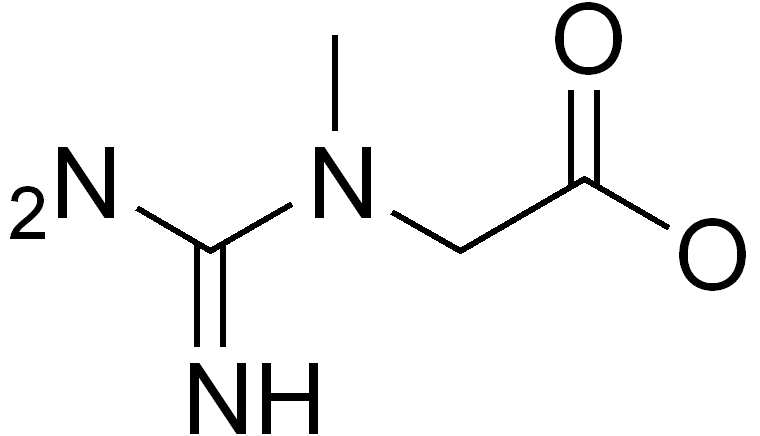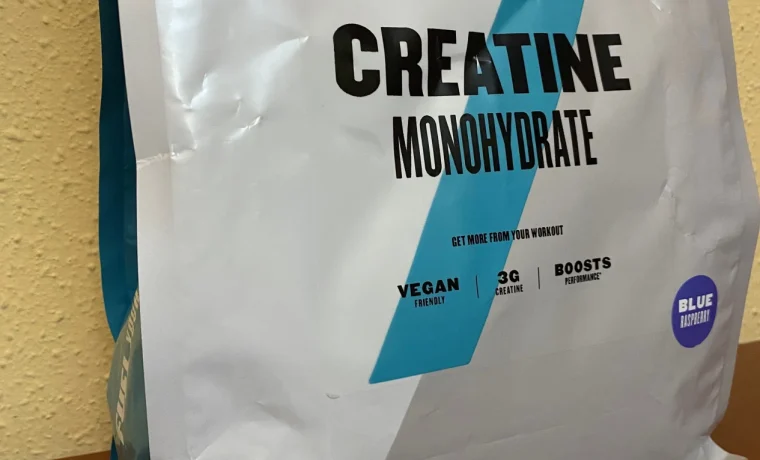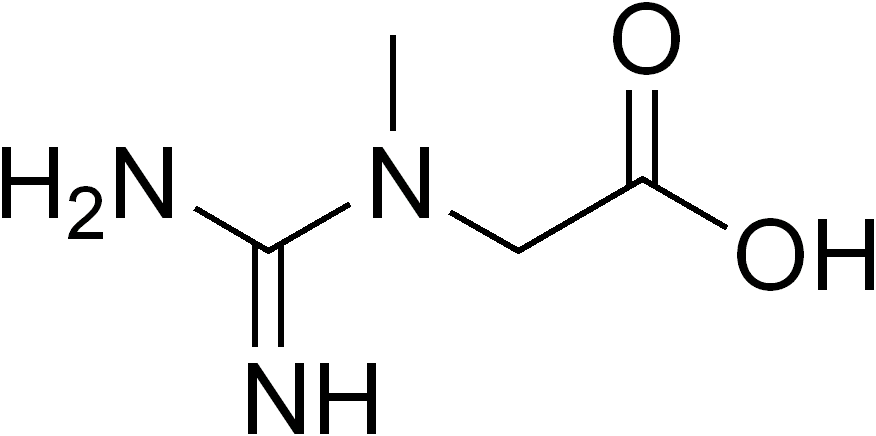
The creatine shelf can look complicated because similar names describe different chemistry, particle processing, packaging, and claims. A useful comparison does not ask which product is most exciting; it asks what was studied, what the active ingredient is, whether the dose reaches muscle stores, and whether the label is accurate. On those criteria, creatine monohydrate has the strongest evidence and remains the reference.
The forms and their evidence level
Plain monohydrate is the reference form used in most trials and reviews. Micronized monohydrate is the same chemistry with smaller particles and may mix more easily; it has not shown a reliable performance advantage. Creatine HCl and buffered creatine use different chemical presentations. Their solubility and subjective tolerability may appeal to some consumers, but direct comparative evidence is limited. The hierarchy is therefore not 'better' versus 'worse' for everyone; it is strong evidence for the reference form and thinner evidence for alternatives.
Evidence level should be considered alongside practical use. A person who will not use standard monohydrate because of texture may be better off with a well-labeled alternative that they take consistently than with an ideal powder they abandon. The decision should still be informed: product identity, purity, serving size, and total daily creatine matter. If a proprietary blend does not reveal its components, a consumer cannot compare it responsibly with research-grade monohydrate.
What evidence can and cannot answer
A trial of one form can establish that the tested product worked under that protocol; it usually cannot prove every other brand or every alternative form is equivalent. Cross-form comparisons need similar doses, matching purity, adequate saturation, and the same training and diet. Reviews note the scarcity of high-quality head-to-head evidence for HCl and buffered products. This means that strong claims about superior absorption, efficiency, or safety should be viewed cautiously until such comparisons exist.
A practical comparison can still be evidence-based. Identify the form and exact amount per serving, check independent batch testing, compare cost per effective daily dose, and consider whether the product's taste or mixing solves a real adherence problem. Avoid products that use proprietary blends to hide doses or make sweeping medical claims. For most people, the simplest form with the strongest evidence is the rational default.
Dosing and quality across products
If a product contains 3 to 5 grams of actual creatine monohydrate per day, it resembles the doses used in many trials. Some alternative products appear to provide a smaller amount because the serving includes other ingredients; a '5-gram scoop' is not automatically 5 grams of creatine. Consumers should calculate the active creatine amount, not the total powder weight. Stacking products can then lead to unintended excess dosing.
Quality control is a separate dimension from chemical novelty. Look for transparent sourcing, a lot number, and a credible third-party certificate, and be skeptical of claims that a proprietary process makes contamination or mislabeling impossible. Creatine is inexpensive, so a high price often buys convenience or marketing rather than more active evidence. Keep one product at a time, record the dose and any symptoms, and use the creatine safety checklist when health history or medications warrant review.
| Point | Evidence-based context |
|---|---|
| What this guide covers | Creatine Product Forms: How to Compare the Evidence |
| Core takeaway | Creatine product selection should start with evidence, active chemistry, and purity—not novelty; monohydrate remains the reference form. |
| Evidence boundary | Most creatine studies involve healthy adults; read the limitations for population boundaries. |
| Source standard | 5 traceable scientific source(s) are listed with the article. |
Frequently asked questions
Which creatine form has the strongest evidence?
Creatine monohydrate. It is the reference form in most randomized trials and safety reviews. Micronized monohydrate shares its chemistry; evidence for HCl and buffered forms is less extensive.
Can a more expensive creatine be worth it?
It can be if the consumer values flavor, mixing, or a format they will use consistently. The premium does not by itself establish better performance, and cost per gram of verified active creatine is often more informative than brand or price alone.
How do I verify a product's dose and purity?
Read the Supplement Facts for the exact amount of creatine per serving, calculate the amount actually taken each day, and look for independent batch testing tied to the product lot. Contact the manufacturer if the label is unclear or inconsistent.
Limitations
- Commercial formulations can change over time and may not match the exact products studied in research.
- Head-to-head evidence for alternative forms is limited, so no universal ranking of tolerability is possible.
- Third-party testing reduces but cannot eliminate uncertainty about product quality.
References
International Society of Sports Nutrition position stand: safety and efficacy of creatine supplementation in exercise, sport, and medicine. — source record
Common questions and misconceptions about creatine supplementation: what does the scientific evidence really show? — source record
Part II. Common questions and misconceptions about creatine supplementation: what does the scientific evidence really show? — source record
Effect of creatine supplementation on body composition and performance: a meta-analysis. — source record
International Society of Sports Nutrition position stand: creatine supplementation and exercise. — source record
Last updated: 2026-11-24