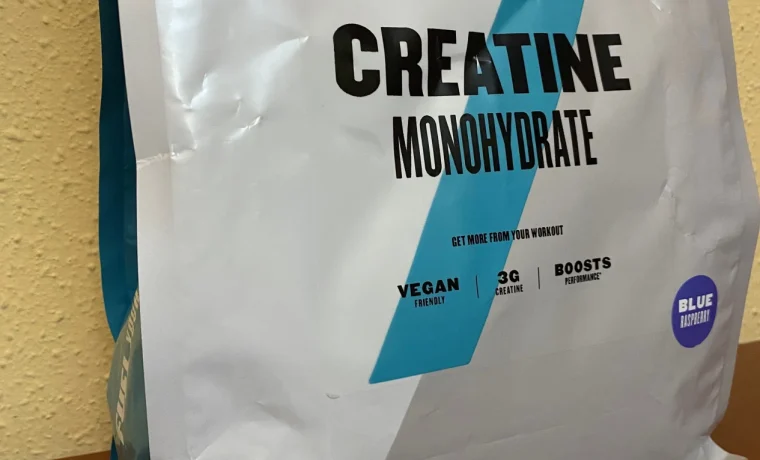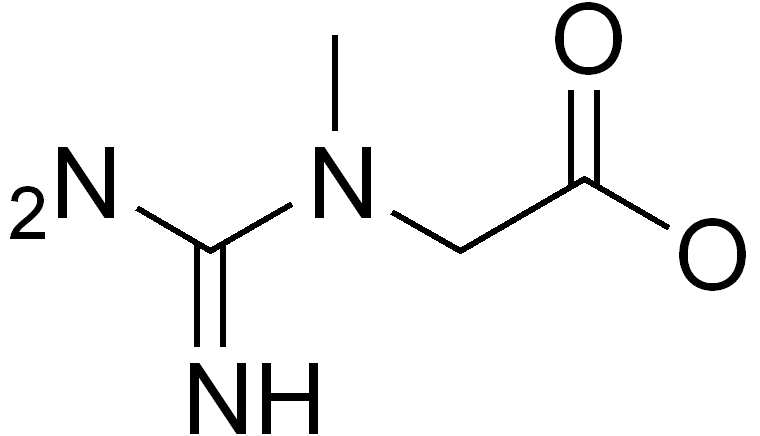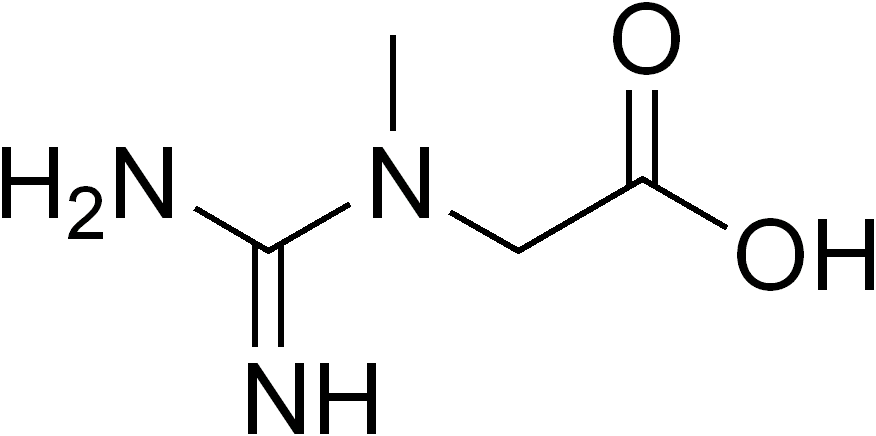
Creatine has two broad sources: the body makes it from amino acids, and people eat it in food. The organs mainly responsible for synthesis are the liver, kidneys, and pancreas. Together, these routes maintain creatine in blood and tissues, with skeletal muscle holding a particularly large share.
Meat and fish are the richest everyday foods. Vegetarian diets contain little or no preformed creatine, while plant foods contain none of significance. That difference helps explain why vegetarians often have lower muscle creatine stores and why they may show larger performance responses to supplementation, although individual results remain variable.
The body can synthesize its own creatine
Natural synthesis begins with amino acids, chiefly arginine, glycine, and methionine. Enzymes in the liver, kidneys, and pancreas combine these building blocks through a pathway involving guanidinoacetate, an intermediate compound. Creatine then travels through the blood and is taken up by tissues, especially skeletal muscle, where it is stored as creatine and phosphocreatine.
This endogenous production is usually enough to maintain normal muscle stores in a mixed diet. It is not perfectly matched to every demand, however. Muscle creatine stores can be lower after dietary restriction, in some older adults, and perhaps during prolonged undernutrition. These are population patterns, not a reason to diagnose a deficiency or promise that every member of a group will respond strongly.
Food supplies vary dramatically by eating pattern
Fresh meat and fish provide the most creatine in the diet. Cooking can affect the amount remaining, and larger portions of meat generally contain more than plant foods. Dairy and other animal products contribute smaller amounts. Creatine supplements are therefore not redundant for people who avoid animal foods, and a plant-based product is a convenient way to deliver the same molecule without animal-derived ingredients.
Vegetarians and vegans should also distinguish creatine from other nutrients often discussed in plant-based nutrition. Creatine is not protein and does not replace the need for essential amino acids, iron, vitamin B12, or omega-3 fats. It can complement a well-planned diet, but it does not solve every nutritional question associated with the diet pattern.
Why starting stores can shape the response
Supplementation works by raising muscle creatine when intake is below what the body receives from food or synthesis. Vegans and many vegetarians generally begin lower than omnivores, so they have more room for a measurable increase. Some evidence also suggests that older adults, who may have lower muscle creatine concentrations, can benefit in strength or functional settings. These groups are less represented in many trials, so the size and consistency of the response deserve careful language.
For women, vegetarians, and older adults, there is no need to use a larger dose simply because of an identity or age label. The standard dose remains the sensible research starting point, and personal goals, diet, training, and medical history matter more. Kidney concerns and medication use should be discussed with a clinician, because general safety evidence does not replace individualized care.
| Point | Evidence-based context |
|---|---|
| What this guide covers | Where Does Creatine Come From? |
| Core takeaway | Creatine comes from both natural body synthesis and animal foods. Learn how these sources differ and why vegetarian and vegan diets often contain little creatine. |
| Evidence boundary | Most creatine studies involve healthy adults; read the limitations for population boundaries. |
| Source standard | 4 traceable scientific source(s) are listed with the article. |
Frequently asked questions
What foods contain the most creatine?
Meat and fish are the richest practical sources. Vegetarian and vegan diets contain little or no preformed creatine.
Is creatine found in plants?
Not in meaningful amounts. The body can synthesize creatine, but plant foods do not substantially add to the preformed creatine in the diet.
Should vegetarians use a different dose?
Usually no. The standard dose can effectively raise muscle stores; any larger dose should be based on individual medical or research guidance, not on the eating pattern alone.
Limitations
- Exact food creatine values vary with cut, portion, cooking method, and analytical method.
- Evidence about vegetarian response is limited by small samples and differing baseline measures.
- Older-adult and female findings are promising but less extensive than findings in younger men.
References
International Society of Sports Nutrition position stand: safety and efficacy of creatine supplementation in exercise, sport, and medicine. — source record
Common questions and misconceptions about creatine supplementation: what does the scientific evidence really show? — source record
Influence of age, sex, and type of exercise on the efficacy of creatine supplementation on lean body mass: A systematic review and meta-analysis of randomized clinical trials. — source record
Nutritional and Non-Nutritional Strategies in Bodybuilding: Impact on Kidney Function — source record
Last updated: 2026-11-24