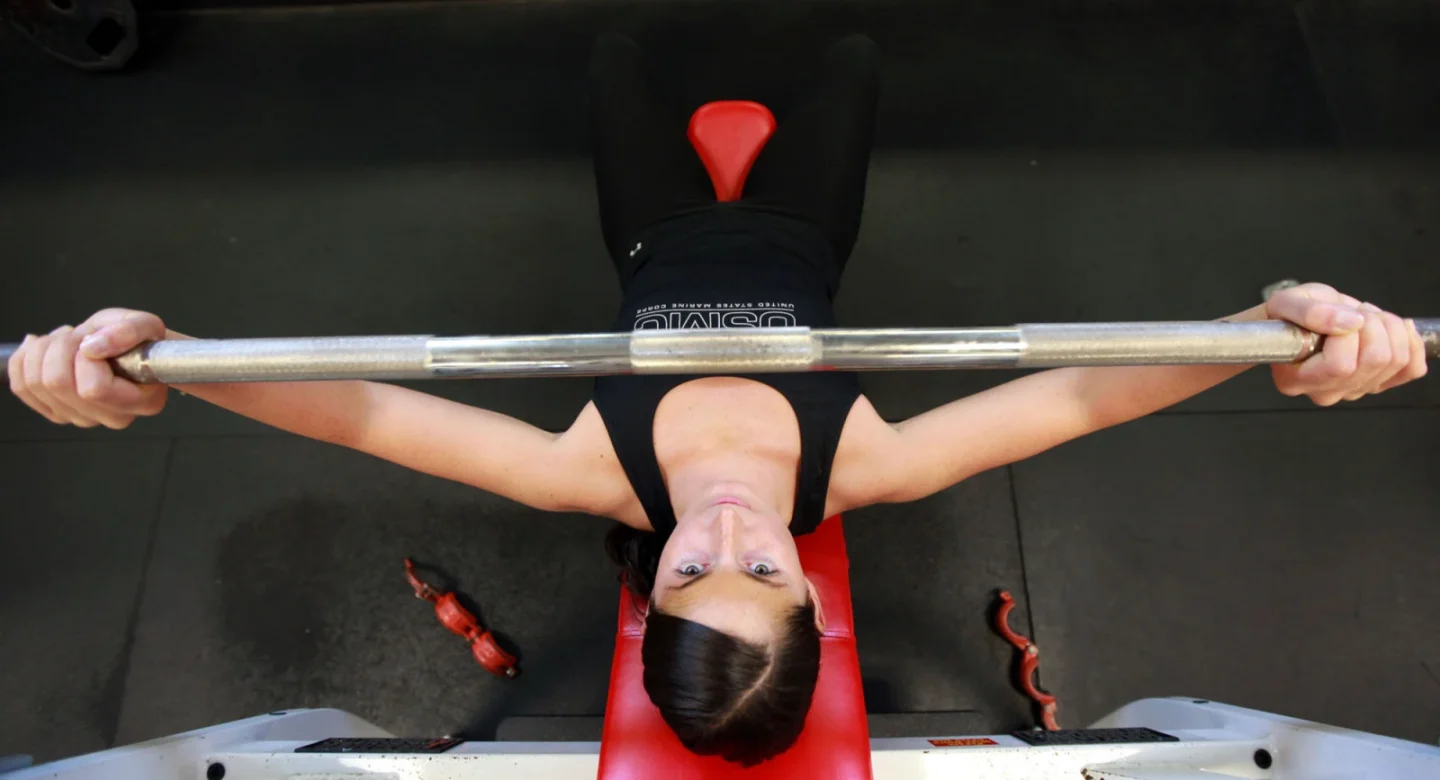
Recovery includes many processes: replenishing energy stores, rebuilding tissue, restoring fluid, clearing metabolites, and returning to training readiness. Creatine can influence some of these processes, especially energy availability, yet a supplement that reduces soreness does not automatically accelerate every aspect of recovery. The most useful outcome is the ability to perform high-quality work consistently.
The recovery mechanisms researchers study
One proposed mechanism is that higher muscle creatine availability helps restore phosphocreatine between efforts. Creatine also has biochemical links to osmotic and cellular stress responses that may influence how muscle handles demanding exercise. Reviews summarize evidence for possible benefits in muscle recovery, damage markers, and adaptation, but the effects vary by protocol and are easier to detect when repeated hard work is the outcome.
Soreness, often measured with a pressure sensor after exercise, is one marker of discomfort and may reflect unfamiliar or high-intensity work. It does not directly measure new muscle protein, glycogen restoration, hydration, or readiness for performance. A person can feel less sore without being fully recovered, or remain sore while performance has recovered. Studies therefore need to measure several outcomes and compare against placebo over time.
What the reviews conclude
The 2017 ISSN position stand describes evidence that creatine can support recovery and reduce some markers of muscle damage after strenuous exercise, especially when combined with resistance training. The 2021 and 2025 evidence reviews reach a similarly cautious conclusion: creatine is well tolerated and may improve recovery-related outcomes, but not every marker improves in every trial. Benefits may be clearer when muscle damage and repeated training are substantial.
Training adaptation is a separate question from soreness. Creatine can increase the number of high-quality repetitions completed, which may create a larger training stimulus and a better adaptation over time. That indirect pathway is more convincing than assuming that a supplement removes fatigue. The effect also depends on adequate energy, protein, sleep, and planned rest; adding creatine to an overreaching program will not correct a poorly managed recovery plan.
Using creatine as part of a recovery plan
A consistent daily dose of creatine monohydrate, usually 3 to 5 grams for healthy adults, is more useful than timing it only after a workout. There is no compelling need to use a loading phase for recovery, and loading may make early water-weight changes or stomach discomfort more noticeable. Judge recovery over a training block using session performance, soreness trends, resting metrics, and the ability to repeat comparable workouts.
Persistent or severe symptoms are not something to treat with more creatine. Pain that is sharp, swelling, dark urine, marked weakness, or symptoms that do not improve warrant assessment by a health professional. People with kidney disease, pregnancy, minors, and people using medications that can affect kidney function should get medical guidance before supplementing. Recovery support should never be used to push through suspected illness or injury.
| Point | Evidence-based context |
|---|---|
| What this guide covers | Creatine and Recovery: Evidence, Limits, and Practical Use |
| Core takeaway | Creatine may support recovery by preserving training capacity, but it is not a universal pain reliever and soreness is an imperfect measure of recovery. |
| Evidence boundary | Most creatine studies involve healthy adults; read the limitations for population boundaries. |
| Source standard | 4 traceable scientific source(s) are listed with the article. |
Frequently asked questions
Does creatine reduce muscle soreness?
Some trials find lower soreness or muscle-damage markers after strenuous exercise, while others do not. Soreness is only one recovery measure, and the reduction is not large or consistent enough to treat creatine as a pain medicine.
Should I take creatine only on training days?
Daily use is the simplest well-supported approach because the goal is to maintain higher muscle creatine stores. Training-day-only use has been studied, but it is not clearly better for recovery and may be less convenient to sustain.
Can creatine replace rest and sleep?
No. It may help support training capacity, but adequate sleep, appropriate volume, energy intake, and planned recovery remain the foundations. Persistent symptoms or declining performance should prompt a change in training and, when appropriate, medical evaluation.
Limitations
- Recovery is multi-factorial and no single laboratory marker defines readiness.
- Trials vary widely in exercise type, creatine dose, duration, and outcome measures.
- Reduced soreness should not be interpreted as faster tissue repair or permission to train through injury.
References
International Society of Sports Nutrition position stand: safety and efficacy of creatine supplementation in exercise, sport, and medicine. — source record
Common questions and misconceptions about creatine supplementation: what does the scientific evidence really show? — source record
Part II. Common questions and misconceptions about creatine supplementation: what does the scientific evidence really show? — source record
International Society of Sports Nutrition position stand: creatine supplementation and exercise. — source record
Last updated: 2026-11-24

