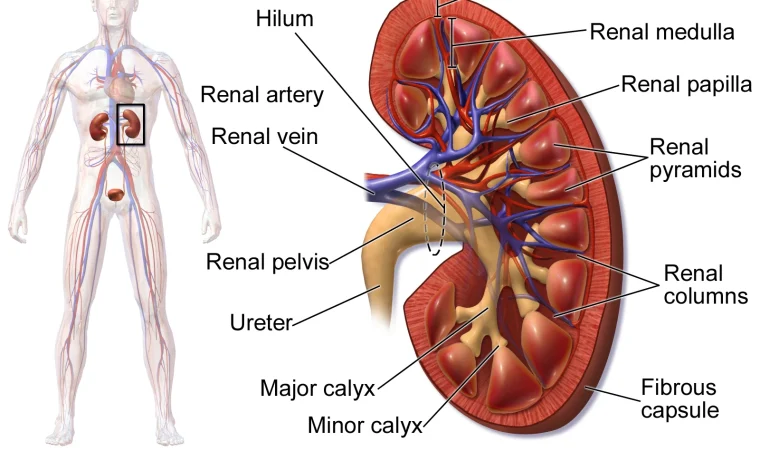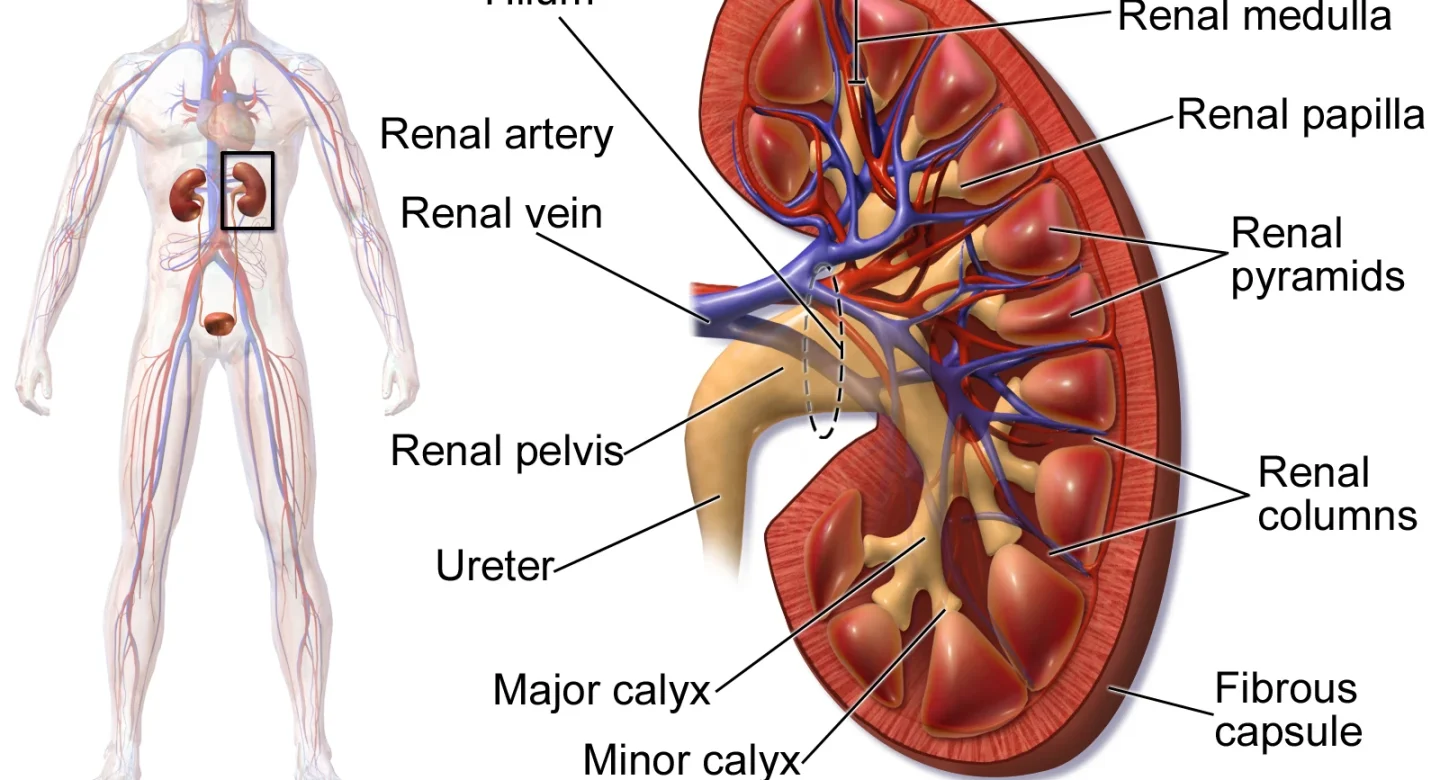
Supplement use can change laboratory values without causing disease, and a result that looks alarming on paper may need context. The best-known example with creatine is serum creatinine, a waste product used to estimate kidney function. Another potential source of confusion is creatine kinase, an enzyme in muscle and heart tissue; the names are related in everyday language but refer to different substances. Knowing the distinction helps prevent avoidable worry.
Creatinine is not the same as creatine
Creatine is a compound stored in muscle and used to help buffer ATP. The body converts some creatine to creatinine, which is filtered by the kidneys and measured in blood. More creatine intake can increase serum creatinine. Many laboratories estimate filtration from serum creatinine and age, so a higher input can produce a lower estimated rate even if actual filtration is unchanged. The correct interpretation requires clinical context rather than reading one number in isolation.
Creatine kinase, abbreviated CK, is an enzyme found in muscle, heart, and other tissues. CK rises when those tissues are injured and is sometimes measured after intense exercise or in muscle symptoms. Creatine supplementation is not the same as taking creatine kinase, and a stable creatine regimen does not automatically elevate CK. If CK is unexpectedly elevated, a clinician considers timing, exercise, muscle injury, medications, and other causes instead of assuming the supplement is responsible.
Why a value change needs follow-up
Repeated measurements, urine findings, clinical symptoms, and filtration methods that do not depend on serum creatinine can help clarify kidney function. The 2026 meta-analysis found that the creatine literature contains limited direct filtration measurements and rated certainty low to very low, which makes transparent interpretation especially important. A person with stable health who starts creatine should not panic at a small creatinine shift, but a clinician should still be aware of the supplement when evaluating it.
Other laboratory values can change for reasons unrelated to creatine, including exercise, hydration, illness, diet, and medications. Interpreting a panel therefore requires more than a supplement list. Keep an up-to-date record of doses and start dates, and do not change prescribed medication or treatment because of a lab result without discussing it with the clinician who ordered the test.
A practical lab and health record
If routine blood work is planned, tell the clinician that you take creatine, include the product name and dose, and ask whether timing, repeat testing, or an alternative filtration estimate would be useful. Starting a new supplement close to testing does not mean the result is invalid, but it does make context more useful. A diary of symptoms and exercise can also help explain unexpected values without guesswork.
Seek prompt care for reduced urine output, dark urine, significant swelling, vomiting, severe weakness, confusion, or shortness of breath. These symptoms may indicate a medical problem unrelated to creatine and should be assessed. People with known kidney disease, diabetes, high blood pressure, or relevant medication use need individualized advice before starting creatine, rather than interpreting a laboratory trend alone.
| Point | Evidence-based context |
|---|---|
| What this guide covers | Creatine and Blood Test Results: What May Change |
| Core takeaway | Creatine may raise serum creatinine without kidney injury; disclose its use so a clinician can interpret kidney estimates and distinguish supplement effects from disease. |
| Evidence boundary | Most creatine studies involve healthy adults; read the limitations for population boundaries. |
| Source standard | 4 traceable scientific source(s) are listed with the article. |
Frequently asked questions
Will creatine always change my blood tests?
Not every test changes, and not every person sees the same response. Serum creatinine can rise because of creatine intake, while CK is a different enzyme and is not automatically elevated by creatine supplementation. Test timing, diet, exercise, illness, and medications also matter.
Should I skip creatine before a physical?
Tell the clinician that you use it and follow their instructions. Depending on the reason for testing, repeat values or a filtration method independent of serum creatinine may be useful. Do not independently stop prescribed medication or delay medically necessary testing.
Does a higher creatinine mean creatine is harming my kidneys?
No. A higher serum creatinine can be a mathematical consequence of higher creatine intake and can lower a creatinine-based estimate without a true filtration change. A clinician must interpret the value using the full clinical picture.
Limitations
- Direct filtration measures independent of serum creatinine are limited in the literature.
- Many laboratory values vary with exercise, diet, hydration, and illness, making isolated interpretation difficult.
- This guide does not diagnose kidney or muscle disease and cannot replace clinician interpretation.
References
Creatine supplementation and kidney function in healthy, physically active adults: a systematic review and meta-analysis and the evidence gap in directly measured glomerular filtration — source record
Common questions and misconceptions about creatine supplementation: what does the scientific evidence really show? — source record
Part II. Common questions and misconceptions about creatine supplementation: what does the scientific evidence really show? — source record
International Society of Sports Nutrition position stand: safety and efficacy of creatine supplementation in exercise, sport, and medicine. — source record
Last updated: 2026-11-24