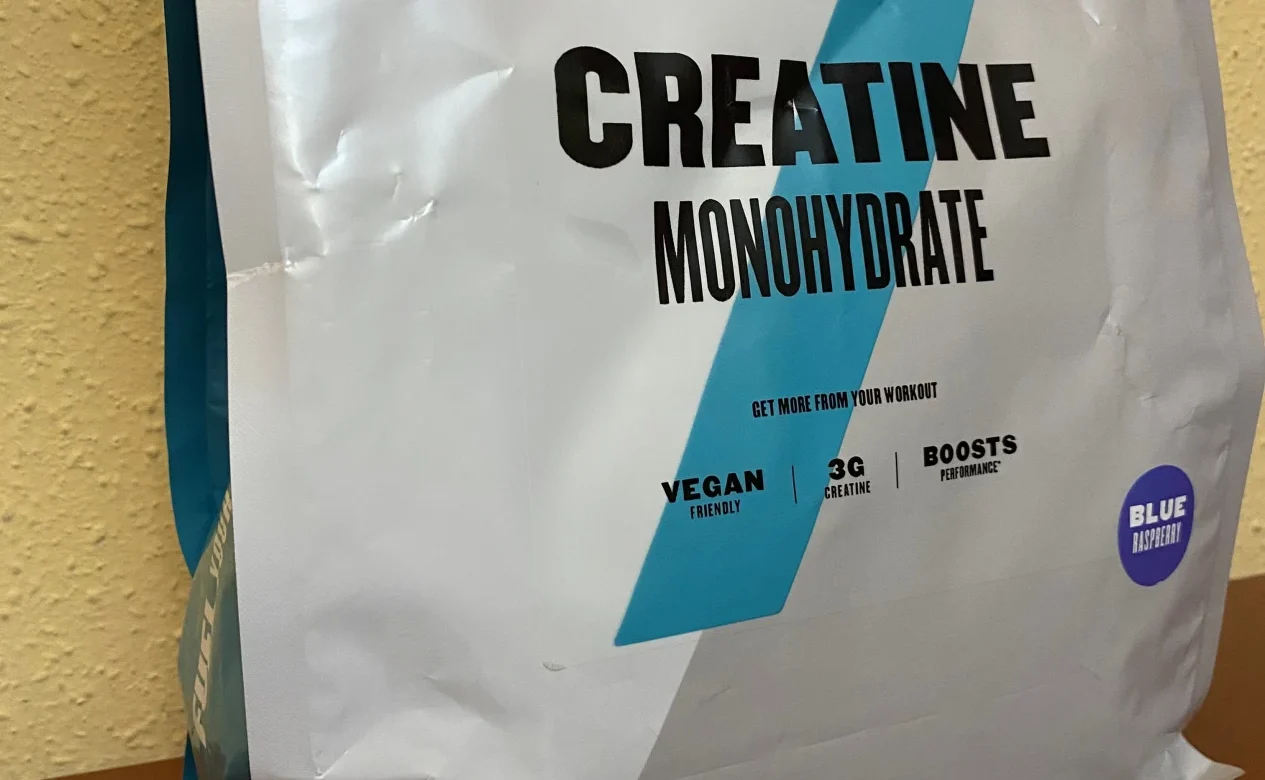
Yes. You can—and usually should—take your usual creatine dose on a rest day within a resistance-training program. Creatine's main role is to build and maintain muscle creatine stores, not to create an acute effect during exercise. Skipping rest days is therefore an unnecessary break in a consistent daily routine.
A complete break from training is different. If no sessions are scheduled for a week or longer, whether to continue is a practical choice. Maintaining the store may be convenient, but the training rationale for supplementation is temporarily absent. Neither rest days nor a layoff requires a special dose or loading phase.
Rest days are part of a consistent routine
The standard creatine regimen is daily because muscle creatine stores need repeated intake to rise and then remain elevated. A rest day is planned part of training, and taking the usual dose keeps the routine consistent. It does not create an immediate training benefit, because there is no workout to enhance. Instead, its purpose is maintenance while the program continues.
The distinction between a rest day and a training layoff helps. During a weekly program that includes two or three rest days, daily use is simple and aligned with the evidence. During an extended break from structured training, you are unlikely to notice a short-term performance difference because you are not performing the repeated high-intensity work that creatine is intended to support. Continuing may still be convenient; pausing is also reasonable.
No special dose or cycle is needed
Take the same 3–5 grams on a rest day that you would take on a training day. There is no evidence that muscle creatine needs a larger amount after a day without exercise, and no reason to load again simply because the calendar changed. If the usual serving causes stomach discomfort, timing it with a meal or dividing it can help without changing the total.
During a full layoff, decide based on convenience and goals. Some people continue the daily dose to avoid a restart and maintain muscle stores. Others pause because the supplement is not relevant to their current routine. If you restart after a long break, the ordinary daily regimen remains appropriate; a loading phase is optional if faster saturation is genuinely useful. The key is to avoid treating a rest day as a missed performance dose that must be repaid.
| Plan | Rest-day approach | Reason |
|---|---|---|
| Weekly resistance program | Usual daily dose | Maintains stores and a consistent routine |
| Active recovery or sport on other days | Usual daily dose | Supports ongoing high-intensity activity |
| Full training layoff | Continue or pause | Both are reasonable; convenience and goals decide |
| Return after a layoff | Resume usual daily dose | Loading is optional for faster saturation |
Individual context still matters
Rest-day use does not change the basic safety profile. Creatine is generally well tolerated by healthy adults, including women and older adults, and daily maintenance is appropriate regardless of sex or eating pattern. Vegetarians and vegans may have lower starting muscle stores because dietary creatine is minimal, so the standard dose can still be useful. Older adults may benefit for strength and function alongside suitable exercise, although claims about bone loss or frailty (reduced physical resilience) require more specific evidence.
Medical caveats remain unchanged. Kidney disease, a history of acute kidney injury (sudden kidney damage), abnormal kidney blood tests, pregnancy, and certain medications call for professional guidance. Creatine can cause a small serum creatinine increase by metabolism without kidney injury, and the clinician should know about supplement use when interpreting results. A rest day is not a special risk period, but it is another day on which the overall plan should still make sense for the individual.
Frequently asked questions
Should I take creatine on rest days?
Usually yes during an ongoing training program. Daily use maintains muscle creatine stores and keeps the routine consistent.
Can I stop creatine during a long layoff?
Yes. Continuing or pausing during a full training break is a practical choice. Resume the normal dose when you return.
Does creatine cause muscle growth on rest days?
No. Creatine supports energy availability and can help training adaptation, but it does not directly build muscle on a rest day or replace progressive training.
Limitations
- Direct trials comparing rest-day supplementation with training-day-only use are limited.
- The practical distinction between a weekly rest day and an extended layoff is not always simple for every training pattern.
- General maintenance guidance does not replace medical advice in kidney disease, pregnancy, or other clinical contexts.
References
International Society of Sports Nutrition position stand: safety and efficacy of creatine supplementation in exercise, sport, and medicine. — source record
Creatine O'Clock: Does Timing of Ingestion Really Influence Muscle Mass and Performance? — source record
Common questions and misconceptions about creatine supplementation: what does the scientific evidence really show? — source record
Muscle creatine loading in men. — source record
Nutritional and Non-Nutritional Strategies in Bodybuilding: Impact on Kidney Function — source record
Last updated: 2026-11-24